Music has always been closely tied to the tools and technologies of its time. From the first primitive instruments made from bone and wood to the invention of the piano and the guitar, each technological advancement has expanded the possibilities of sound and expression. In the modern era, technology is transforming music more rapidly and profoundly than ever before. Digital tools, software, streaming platforms, and artificial intelligence are reshaping how music is created, distributed, consumed, and experienced.
The role of technology in music is no longer simply about improving instruments or recording devices. It now shapes entire industries, influences creative processes, and changes how audiences engage with artists. The future of music is deeply intertwined with innovation, and understanding this shift is essential to appreciating where the art form is headed.
The Evolution of Music and Technology
The connection between music and technology is not a new phenomenon. In the early 20th century, radio brought music into homes, making it a shared cultural experience. Vinyl records, cassette tapes, and CDs each marked revolutions in how music was stored and consumed.
The arrival of the digital age in the late 20th and early 21st centuries changed the landscape dramatically. The introduction of the MP3 format and platforms for digital downloads disrupted traditional record sales, forcing the industry to rethink its business model. As internet speeds improved, streaming became the dominant method of accessing music.
Today, music exists in a world where digital tools and advanced technologies are the backbone of every step—from songwriting to live performances. This transformation has democratized access while also raising new challenges.
Digital Recording and Production
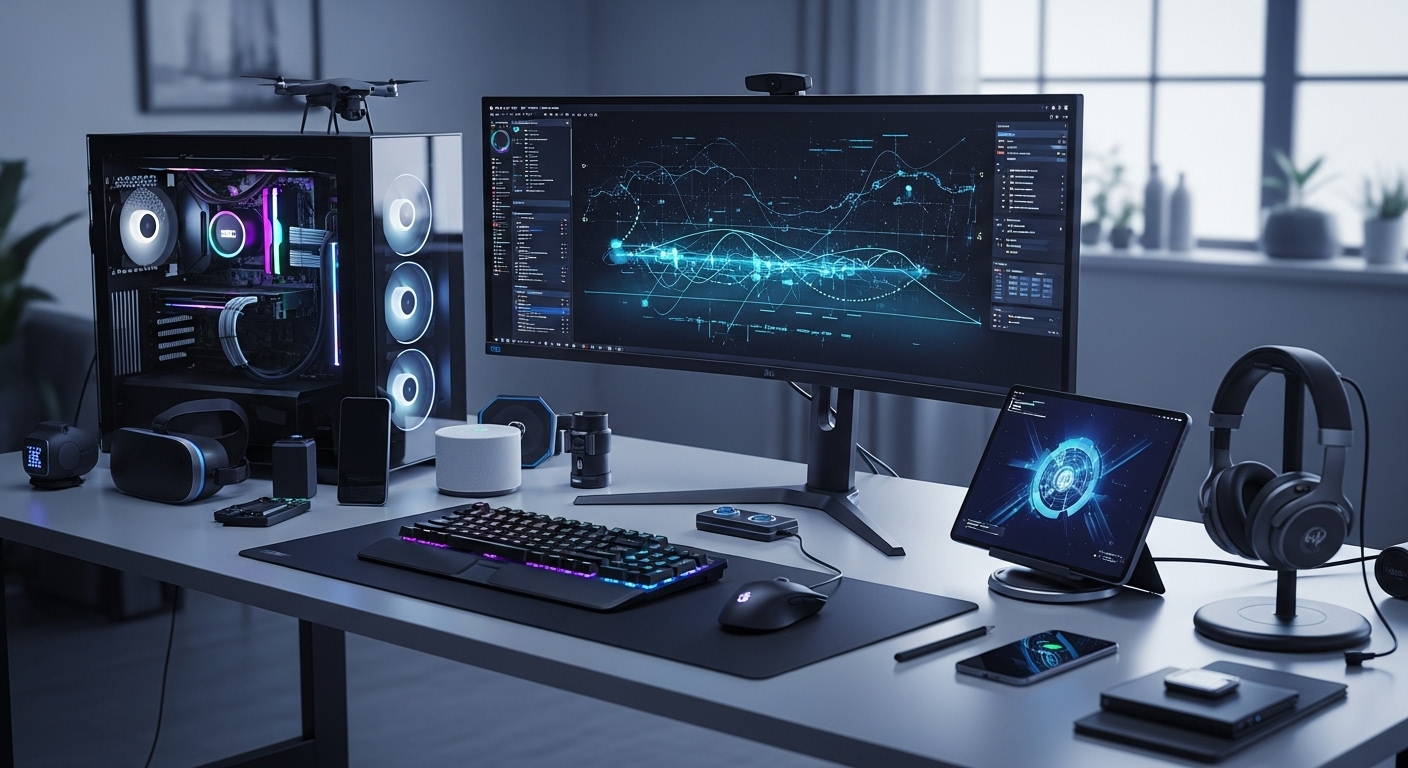
Recording technology has advanced from analog tape machines to sophisticated digital audio workstations. These platforms allow artists to record, edit, and mix music with precision that was once unimaginable. What used to require expensive studios and large budgets can now be accomplished on a laptop with the right software.
Digital production tools give artists the ability to experiment with sounds, effects, and arrangements at little to no extra cost. Producers can layer hundreds of tracks, fine-tune vocals with pitch correction software, and create entire orchestras using virtual instruments. This accessibility has opened the door for independent musicians to produce professional-quality music without traditional industry backing.
The rise of home studios has also contributed to a surge of creativity. Musicians can collaborate remotely, sending files across the globe and building tracks together without ever meeting in person. This shift has allowed diverse voices and new genres to emerge, enriching the global music landscape.
Artificial Intelligence in Music Creation
Artificial intelligence is one of the most exciting and controversial technologies influencing music. AI algorithms can now analyze patterns in existing songs and generate new compositions in a similar style. Some systems can even create lyrics, suggest chord progressions, or produce full instrumental tracks.
For artists, AI can act as a creative partner. A songwriter facing a creative block can use AI to generate ideas that spark inspiration. Producers can employ AI tools to quickly test variations of a song or to master tracks with minimal effort.
At the same time, the rise of AI-generated music raises questions about authenticity and originality. Can a song created by a machine carry the same emotional depth as one written by a human? Will audiences embrace music that lacks a personal touch? These debates will become more significant as AI continues to advance.
Streaming Platforms and Global Access
Perhaps the most visible way technology has reshaped music is through streaming. Services have replaced physical sales and digital downloads as the primary method of consuming music. With just a smartphone, anyone can access millions of songs instantly.
Streaming has reshaped listening habits. Playlists have become the dominant form of music discovery, often curated by algorithms that recommend songs based on listening patterns. This has changed the structure of music itself, with artists often tailoring songs to fit streaming-friendly formats, such as shorter intros and catchier hooks.
The global reach of streaming means that local artists can find audiences far beyond their home countries. Genres like K-pop, Afrobeat, and reggaeton have achieved worldwide success in part due to streaming platforms making them accessible to millions.
However, streaming also raises concerns about fair compensation. Many artists argue that the royalties they earn from streaming are insufficient, sparking debates about the sustainability of the model for musicians.
Social Media and Artist-Fan Interaction
Social media has transformed how artists connect with their audiences. Platforms like Instagram, TikTok, and X (formerly Twitter) give musicians direct communication channels with fans. They can share updates, promote new releases, and even showcase behind-the-scenes moments.
TikTok, in particular, has become a powerful tool for music discovery. A viral trend or challenge can propel an unknown song into the global charts almost overnight. This democratizes exposure, allowing independent artists to bypass traditional gatekeepers and gain fame through creativity and timing.
The ability for artists to cultivate personal brands has become just as important as the music itself. Fans no longer simply consume music; they engage with the personalities and lifestyles of their favorite artists, blurring the lines between art and identity.
Virtual Concerts and Live Streaming
The global pandemic accelerated the rise of virtual concerts and live streaming. With traditional live events on hold, artists turned to technology to reach audiences. Platforms allowed musicians to perform from their homes or specialized studios, broadcasting to fans worldwide.
Virtual concerts are likely here to stay, even as live performances return. They offer accessibility to fans who cannot attend physical events due to geography or cost. They also open new creative possibilities, such as incorporating augmented reality, interactive elements, and personalized experiences.
While live shows will always hold a unique emotional power, virtual concerts provide an additional layer of engagement, blending music with cutting-edge visual effects and interactive technologies.
The Role of Virtual Reality and Augmented Reality
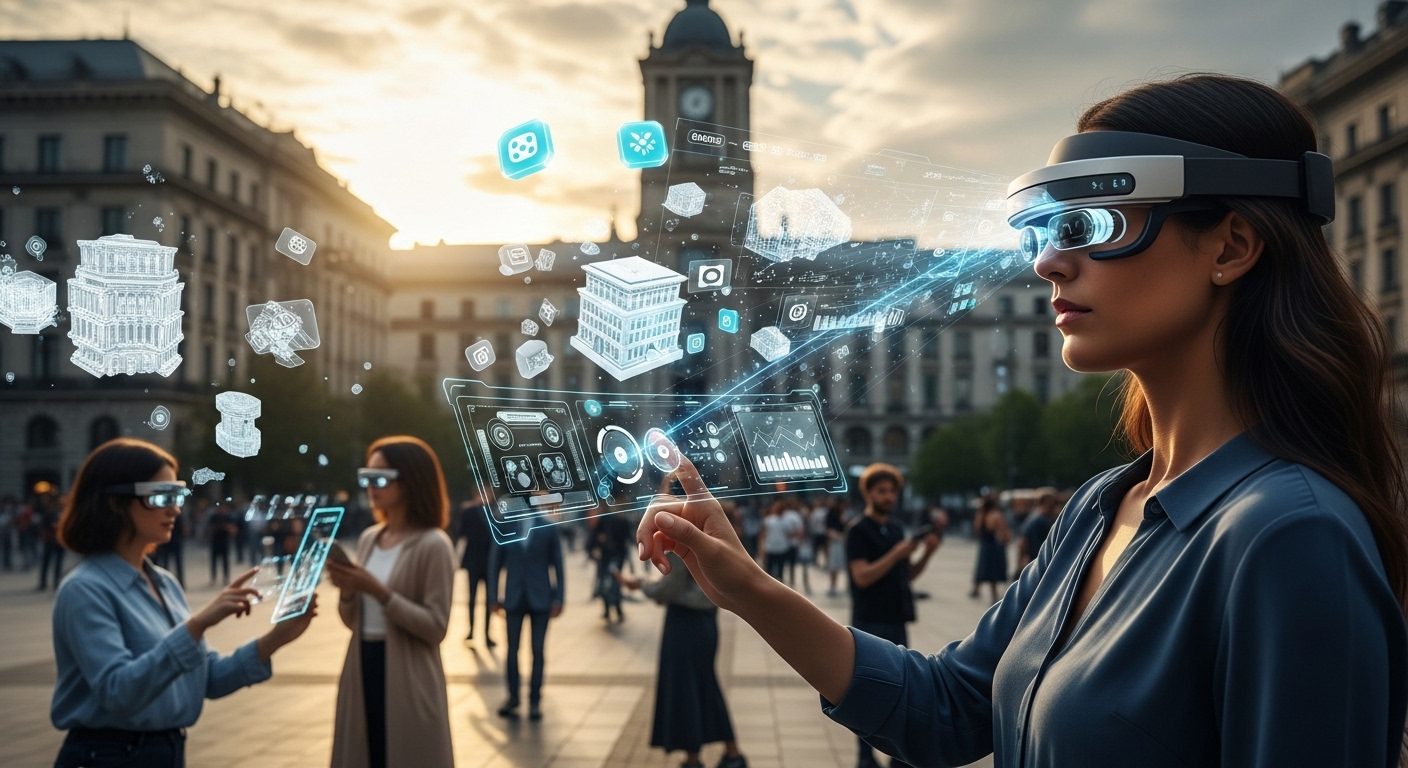
Virtual reality and augmented reality are pushing the boundaries of how music can be experienced. VR headsets allow fans to immerse themselves in 3D concert environments, standing virtually on stage with their favorite artists. AR, on the other hand, enhances live performances with digital overlays, creating hybrid experiences.
These technologies are particularly appealing to younger audiences accustomed to gaming and interactive entertainment. As hardware becomes more affordable and widespread, VR and AR concerts could become mainstream. They will not replace traditional concerts but rather expand the ways fans engage with music.
The Impact of Data and Analytics
Technology has given musicians and record labels unprecedented access to data. Streaming platforms track every play, skip, and replay, providing detailed insights into audience behavior. Artists can see which songs resonate most with fans, which regions are responding strongly, and how listening habits change over time.
This data-driven approach allows musicians to make strategic decisions about tours, marketing, and even creative directions. For instance, an artist may decide to collaborate with a producer popular in a region where they want to grow their fan base. Labels use analytics to identify emerging trends and sign new talent earlier than ever before.
While data empowers musicians, it also raises concerns about creativity. There is a risk of artists prioritizing what algorithms suggest will succeed over pursuing authentic artistic expression. Striking a balance between data-driven strategies and creative freedom will be key.
New Instruments and Sound Technologies
Beyond digital platforms, advances in hardware are also reshaping music. Electronic instruments, digital synthesizers, and drum machines continue to evolve, offering endless possibilities for sound design.
Innovations such as MIDI controllers, touch-sensitive surfaces, and motion-controlled instruments expand how musicians interact with their tools. Hybrid instruments combine traditional acoustic elements with digital enhancements, creating unique sounds.
Audio technology has also transformed how music is consumed. High-definition audio formats, noise-canceling headphones, and spatial audio create more immersive listening experiences. The quality of sound available to everyday listeners is higher than ever before, bringing studio-level fidelity into homes and mobile devices.
Collaboration Across Borders
Technology has eliminated geographical barriers to musical collaboration. Artists from different continents can work together in real time, sharing files through cloud platforms and communicating over video calls.
This global collaboration has enriched music with cross-cultural influences. Genres blend seamlessly as musicians incorporate rhythms, instruments, and styles from different traditions. The result is a more diverse and interconnected global music scene.
Future innovations may further streamline remote collaboration with tools that allow musicians to perform together virtually, synchronizing sound in real time across vast distances.
Challenges and Concerns
While technology brings incredible opportunities, it also presents challenges. One major issue is copyright. Digital tools make it easy to sample, remix, or replicate music, raising questions about ownership and fair use.
Another concern is the overwhelming volume of music released daily. With millions of songs available online, it can be difficult for artists to stand out. Algorithms may favor certain styles or established artists, making it harder for new voices to break through.
Finally, there is the question of authenticity. As AI-generated music becomes more prevalent, some fear that human artistry could be overshadowed by machine-made content. The future of music will depend on finding ways to balance innovation with preserving the soul and creativity of human expression.
The Future of Music Technology
Looking ahead, music technology will continue to evolve in exciting ways. AI may become more sophisticated, assisting in personalized compositions for individual listeners. Virtual reality could make concerts more immersive than ever. Blockchain technology may create new models for royalties and ownership, ensuring fairer compensation for artists.
We may also see personalized music experiences driven by biometric data, where songs adapt in real time to match a listener’s mood or physical state. These innovations will redefine not only how we consume music but also how it fits into our daily lives.
Despite the uncertainties, one thing is clear: technology will remain a central force in shaping music’s future. Artists who embrace innovation while staying true to their creative vision will thrive in this new landscape.
Conclusion
Technology has always influenced music, but the pace and scale of change today are unprecedented. From digital production tools and streaming platforms to artificial intelligence and virtual reality, innovations are reshaping every aspect of the musical experience.
These changes bring both opportunities and challenges. They democratize access, empower creativity, and connect audiences globally. At the same time, they raise questions about fairness, authenticity, and the role of data in shaping art.
Ultimately, music will continue to adapt and evolve, just as it has for centuries. The tools may change, but the human desire to create, share, and experience music remains constant. Technology does not diminish the power of music—it amplifies it, expanding the ways it touches our lives and connects us across the world.