
Introduction: A World Quietly Transformed
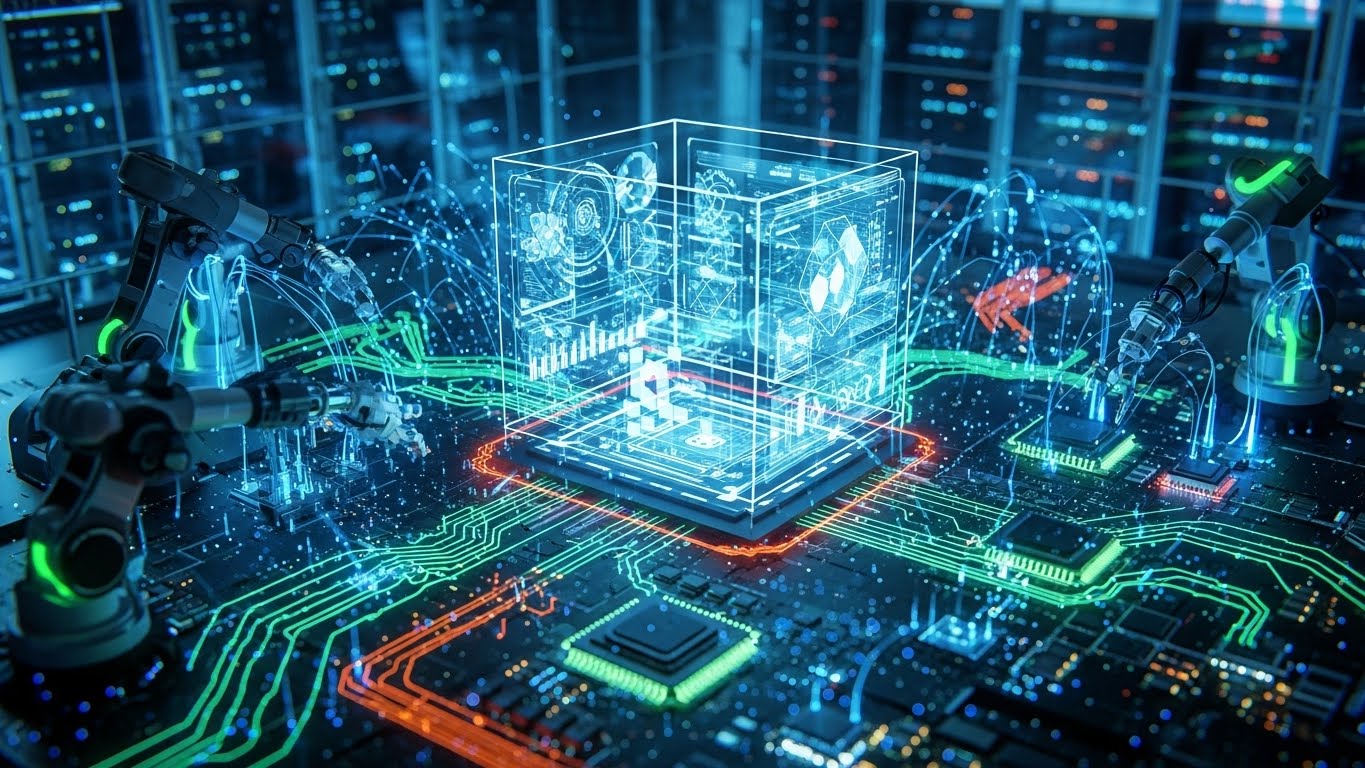
Technology rarely announces its arrival with noise. Instead, it enters our lives silently, reshaping habits, redefining expectations, and rewriting the rules by which societies operate. From the way we communicate to how we work, learn, heal, and even think, technology has become an invisible force guiding human progress. Unlike past industrial revolutions that relied on physical machinery and visible infrastructure, today’s technological evolution operates largely in the background, driven by data, algorithms, and digital intelligence.
This silent revolution is not just about faster devices or smarter applications. It represents a fundamental shift in how humans interact with the world and with each other. Understanding this transformation is essential, not only for professionals in the tech industry but for anyone living in the modern era.
The Evolution from Tools to Intelligence
Early technology served as an extension of human physical ability. Tools amplified strength, machines increased productivity, and electricity expanded reach. Modern technology, however, extends human intelligence itself. Software systems now analyze patterns, predict outcomes, and make decisions that once required deep human judgment.
This shift from mechanical assistance to cognitive augmentation marks a turning point in human history. Technology no longer simply helps us do things faster; it helps us think differently. Recommendation systems shape our choices, navigation tools influence our movement, and intelligent platforms guide our decisions. The line between human reasoning and machine support continues to blur, creating a new hybrid form of intelligence.
Digital Infrastructure as the New Foundation
Just as roads and bridges formed the backbone of industrial societies, digital infrastructure now underpins modern civilization. Cloud computing, data centers, and global networks operate behind the scenes, enabling seamless access to information and services. Most users rarely consider the complexity involved when they send a message, stream content, or store data, yet these actions depend on vast technological ecosystems.
This invisible infrastructure has become as essential as electricity and water. Businesses rely on it to operate, governments depend on it for administration, and individuals use it to maintain social connections. As societies grow more dependent on digital systems, their stability and security become matters of global importance.
The Workplace Reimagined by Technology
Technology has fundamentally altered the concept of work. Physical presence is no longer a requirement for productivity, and traditional office structures are being replaced by flexible, digital-first environments. Automation handles repetitive tasks, allowing human workers to focus on creativity, strategy, and problem-solving.
This transformation has also changed how skills are valued. Adaptability, digital literacy, and continuous learning have become more important than static expertise. Careers are no longer linear paths but evolving journeys shaped by technological change. While this shift creates opportunities for innovation and independence, it also challenges workers to constantly reinvent themselves in an unpredictable landscape.
Education in the Age of Infinite Information
Learning has moved beyond classrooms and textbooks into a dynamic, technology-driven ecosystem. Information is no longer scarce; it is abundant. The challenge now lies in filtering, understanding, and applying knowledge effectively. Technology enables personalized learning experiences, allowing individuals to progress at their own pace and according to their interests.
However, this abundance also raises questions about attention, depth, and critical thinking. When answers are instantly available, the value of curiosity and reasoning becomes even more important. Education in the technological age must focus not just on accessing information, but on developing the ability to question, analyze, and create.
Technology and the Changing Nature of Human Connection
Communication technology has reshaped human relationships in profound ways. Distance is no longer a barrier to interaction, and digital platforms allow people to maintain connections across continents. At the same time, the nature of these connections has changed. Conversations are faster, more frequent, and often less personal.
Technology amplifies voices, enabling individuals to share ideas and experiences on a global scale. Yet it also introduces challenges related to authenticity, empathy, and emotional depth. Balancing convenience with meaningful connection has become one of the defining social challenges of the digital age.
The Ethical Dimensions of Innovation
As technology grows more powerful, ethical considerations become increasingly important. Decisions made by software systems can affect livelihoods, privacy, and even personal freedom. Questions about data ownership, algorithmic bias, and digital surveillance are no longer theoretical concerns; they are everyday realities.
Responsible innovation requires more than technical expertise. It demands moral awareness, transparency, and accountability. Developers, organizations, and policymakers must recognize that technology reflects human values, whether intentionally or not. Shaping a future that benefits everyone requires conscious effort and ethical leadership.
Creativity in a Technological World
Contrary to fears that technology stifles creativity, it has become one of its greatest enablers. Digital tools allow individuals to create art, music, writing, and design with unprecedented freedom. Barriers to entry have been lowered, empowering voices that were previously unheard.
Technology also encourages collaboration across disciplines and cultures. Ideas evolve faster when shared, remixed, and reimagined through digital platforms. Creativity today is not limited by resources but driven by imagination and access. The challenge lies in using these tools thoughtfully, ensuring that originality and human expression remain at the center.
The Psychological Impact of Constant Connectivity
While technology enhances efficiency and access, it also affects mental well-being. Constant connectivity blurs the boundaries between work and rest, public and private life. Notifications demand attention, and digital environments compete for focus.
Understanding how technology influences behavior and emotion is critical. Mindful usage, intentional design, and digital balance are becoming essential skills. The goal is not to reject technology, but to integrate it into life in a way that supports mental health and personal fulfillment.
Preparing for an Uncertain Technological Future
The pace of technological change shows no sign of slowing. Emerging innovations will continue to reshape industries, cultures, and identities. Predicting specific outcomes is difficult, but preparing for adaptability is possible. Lifelong learning, ethical awareness, and human-centered thinking will be key to navigating this evolving landscape.
Rather than fearing technological advancement, societies must learn to guide it. The future is not determined by technology alone, but by the choices humans make in designing, adopting, and regulating it. Progress depends on aligning innovation with shared values and long-term vision.
Conclusion: Technology as a Mirror of Humanity
Technology is not an external force acting upon humanity; it is a reflection of human ambition, creativity, and responsibility. The silent revolution unfolding around us reveals both our potential and our challenges. How we use technology ultimately defines who we become.
By approaching innovation with curiosity, ethics, and purpose, humanity can ensure that technology remains a tool for empowerment rather than division. The future is being written quietly, line by line, in code and consciousness alike. Our role is not just to witness this transformation, but to shape it wisely.