
Introduction
Technology is the backbone of modern society, transforming the way we live, work, communicate, and entertain ourselves. From the invention of the wheel to the rise of artificial intelligence, technological advancements have continually reshaped human civilization. Today, technology is evolving faster than ever, influencing every aspect of life, from education and healthcare to business, entertainment, and global connectivity. This blog explores the evolution of technology, its key trends, transformative impact, challenges, and the potential future of human innovation.
The Evolution of Technology
The history of technology is a journey of human ingenuity and problem-solving. Ancient civilizations relied on simple tools and machines to perform tasks more efficiently. The invention of the wheel, the development of agricultural tools, and early engineering feats like aqueducts laid the foundation for technological progress.
The Industrial Revolution marked a significant leap, introducing machinery, steam engines, and mass production. These innovations changed industries, economies, and societies. The 20th century brought computers, telecommunications, and the internet, creating unprecedented opportunities for global connectivity and information exchange. Today, we are in the midst of a digital revolution, where artificial intelligence, robotics, and blockchain are redefining the boundaries of what is possible.
Key Trends in Modern Technology
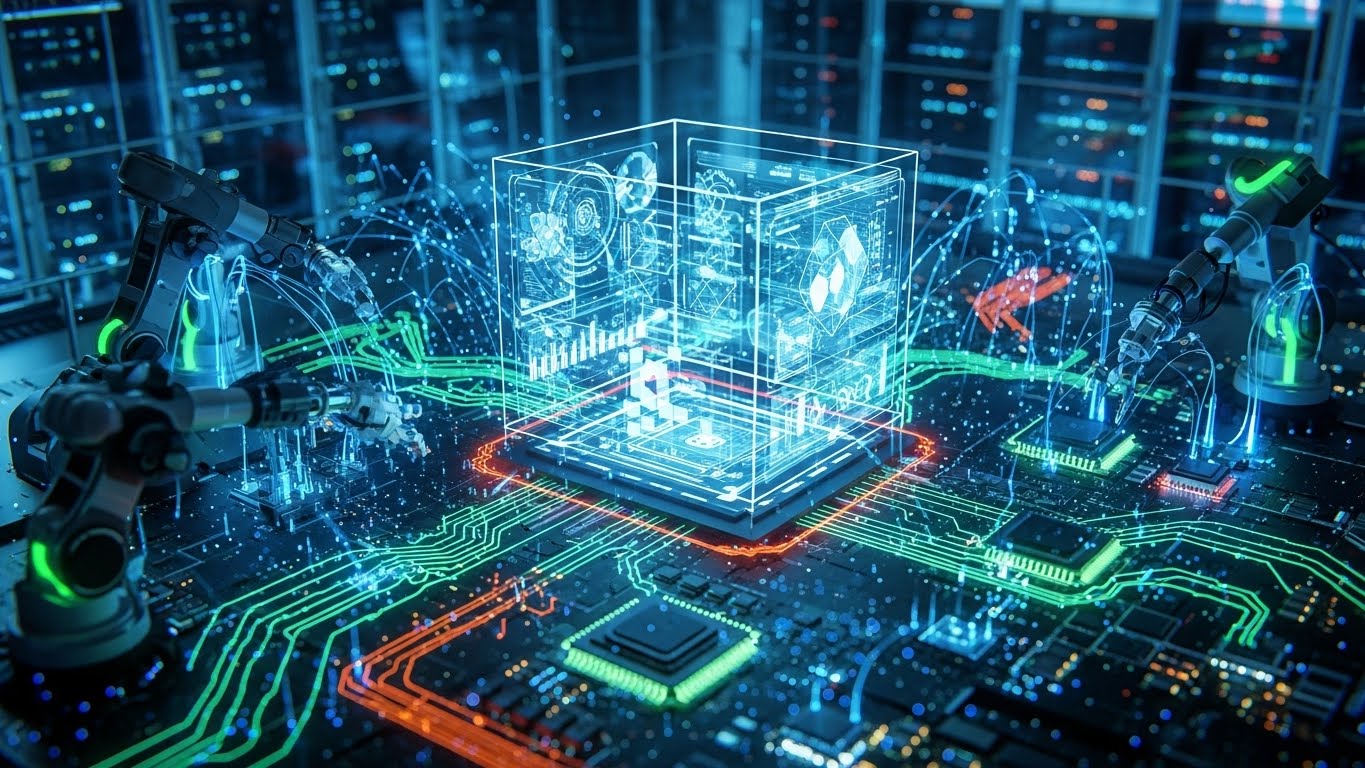
Modern technology is defined by rapid innovation and interconnectedness. One major trend is artificial intelligence and machine learning. AI enables machines to analyze data, recognize patterns, and make decisions, revolutionizing industries such as healthcare, finance, transportation, and entertainment. Machine learning algorithms drive predictive analytics, recommendation systems, and automation, enhancing efficiency and productivity.
Another trend is the Internet of Things (IoT), which connects everyday devices to the internet, enabling data collection, automation, and remote control. Smart homes, wearable devices, and connected vehicles are examples of how IoT is transforming daily life, improving convenience, safety, and energy efficiency.
Cloud computing is also reshaping technology by providing scalable, on-demand access to computing resources. Businesses and individuals can store data, run applications, and collaborate remotely, increasing flexibility and reducing costs. This trend supports innovation across industries, from startups to large enterprises.
Technology in Communication
Advances in technology have revolutionized communication. The evolution from letters and telegraphs to smartphones and instant messaging has made real-time global communication possible. Social media platforms allow individuals to share ideas, news, and personal experiences instantly, fostering global connections and cultural exchange.
Video conferencing and collaborative tools have transformed workplaces, enabling remote work and virtual collaboration. Technology has also facilitated access to education, allowing students to attend online classes, access resources, and interact with teachers from anywhere in the world. Communication technology continues to bridge distances, making the world more connected and efficient.
Technology in Healthcare
Healthcare has been profoundly impacted by technology. Medical devices, diagnostic tools, and imaging technologies have improved accuracy, efficiency, and patient outcomes. Telemedicine allows patients to consult healthcare professionals remotely, expanding access to care in underserved areas.
Artificial intelligence is being applied in drug discovery, predictive diagnostics, and personalized medicine. Robotics assist in surgeries, increasing precision and reducing recovery times. Wearable devices monitor vital signs, encouraging proactive health management. Technology in healthcare is not only saving lives but also transforming how care is delivered and experienced.
Technology in Business and Industry
Technology is reshaping business operations across sectors. Automation and robotics streamline manufacturing, reduce errors, and increase production speed. Big data analytics enables companies to understand consumer behavior, optimize supply chains, and make data-driven decisions.
E-commerce platforms and digital marketing have transformed the way products are sold and promoted. Businesses can reach global audiences, personalize customer experiences, and operate 24/7. Financial technologies such as digital payments, blockchain, and cryptocurrencies are changing the way money is managed, transferred, and invested. Technology continues to drive economic growth, innovation, and competitiveness.
Technology in Education
Education has undergone a technological revolution. Online learning platforms, interactive software, and digital resources have expanded access to education worldwide. Students can now learn at their own pace, access diverse materials, and connect with instructors and peers globally.
Artificial intelligence enhances education through personalized learning experiences, adaptive assessments, and intelligent tutoring systems. Virtual reality and augmented reality create immersive learning environments, allowing students to explore complex concepts and scenarios interactively. Technology in education is democratizing knowledge and empowering learners in unprecedented ways.
Technology in Entertainment
Entertainment is heavily influenced by technological advancements. Streaming platforms, virtual reality experiences, and interactive gaming have transformed how audiences consume content. Technology enables creators to produce high-quality, immersive experiences that were unimaginable decades ago.
Artificial intelligence and data analytics personalize content recommendations, improving engagement and satisfaction. Gaming technologies continue to push boundaries, with virtual worlds, augmented reality, and cloud gaming offering interactive experiences for millions of users. Technology in entertainment enhances creativity, engagement, and accessibility.
Artificial Intelligence and Automation
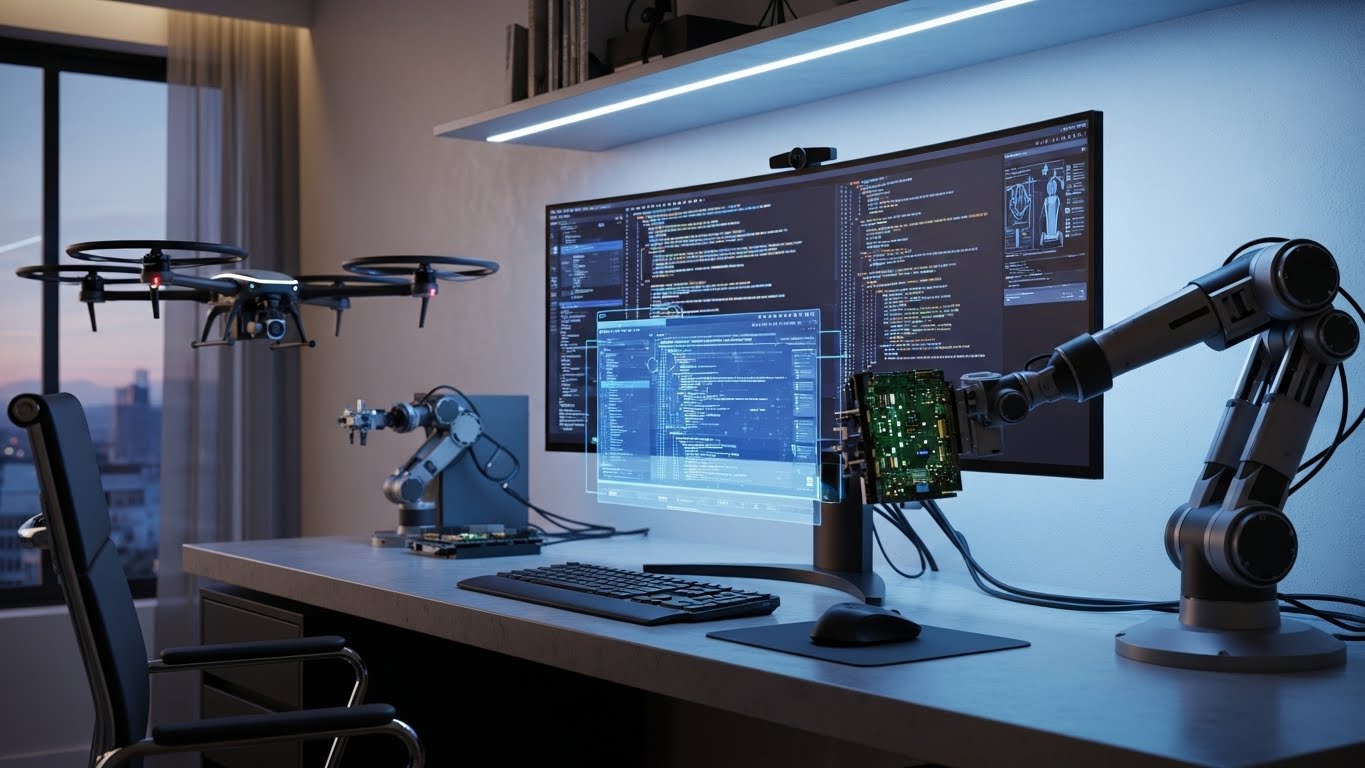
Artificial intelligence and automation are reshaping the workforce and society. AI systems handle tasks ranging from customer support to complex data analysis, reducing manual labor and increasing efficiency. Autonomous vehicles, drones, and robotic systems are transforming transportation, logistics, and delivery services.
While automation enhances productivity, it also raises questions about employment, ethical implications, and human-machine collaboration. The challenge lies in integrating technology responsibly, ensuring societal benefits while addressing potential risks. AI continues to be a transformative force, influencing every sector from finance and healthcare to education and entertainment.
Cybersecurity and Privacy
As technology becomes more integrated into daily life, cybersecurity and privacy have become critical concerns. Data breaches, identity theft, and cyberattacks pose significant risks to individuals, businesses, and governments. Ensuring secure systems and protecting sensitive information is essential for maintaining trust in digital technologies.
Advances in encryption, biometric authentication, and AI-driven threat detection are improving cybersecurity. However, users must remain vigilant and adopt safe practices. Balancing innovation with security and privacy is a crucial aspect of technology’s responsible development.
Sustainable Technology
Sustainability is increasingly a focus in technological development. Renewable energy technologies such as solar, wind, and hydroelectric power are reducing reliance on fossil fuels. Smart grids, energy-efficient devices, and sustainable manufacturing practices are minimizing environmental impact.
Technological innovation also supports climate research, resource management, and conservation efforts. Sustainability-focused technology ensures that progress is not only measured by efficiency and profit but also by long-term environmental responsibility.
Challenges in Technology
Despite its benefits, technology poses challenges. Rapid innovation can outpace regulation, leading to ethical, legal, and social dilemmas. Issues such as artificial intelligence bias, digital addiction, and technological unemployment require careful consideration and responsible policies.
Additionally, the digital divide remains a global issue. Access to technology is uneven, leaving marginalized communities at risk of being left behind. Addressing inequality, fostering digital literacy, and promoting inclusive technological access are essential to ensuring technology benefits everyone.
The Future of Technology
The future of technology promises unprecedented opportunities and challenges. Emerging fields such as quantum computing, biotechnology, and space exploration are likely to redefine human capabilities. Artificial intelligence and robotics will continue to enhance productivity, creativity, and efficiency.
Human-computer interaction is evolving with voice recognition, augmented reality, and brain-computer interfaces, creating more intuitive and immersive experiences. Technology will increasingly shape daily life, global economies, and societal norms. The key to the future lies in leveraging technology responsibly, ethically, and sustainably to improve human well-being.
Conclusion
Technology has transformed the world in remarkable ways, influencing communication, healthcare, business, education, entertainment, and society at large. It drives innovation, enhances productivity, and connects people globally. From artificial intelligence and IoT to sustainable energy and immersive experiences, technology continues to reshape how we live, work, and interact.
While challenges such as cybersecurity, ethical dilemmas, and inequality exist, the potential benefits of technology are immense. Responsible innovation, inclusive access, and ethical development will ensure that technology remains a force for progress and positive change. As we advance into the future, technology will continue to inspire creativity, empower humanity, and redefine the possibilities of our world.