Introduction: The Power of Technology in Modern Life
Technology has become the foundation of modern society, shaping how we live, work, communicate, and learn. It is no longer a mere tool but a driving force behind innovation and progress. From smartphones to artificial intelligence, technology influences almost every aspect of daily life. Its rapid evolution has created opportunities and challenges, requiring individuals, businesses, and governments to adapt continuously. Understanding technology’s role and potential is crucial for thriving in an increasingly digital world.
The Evolution of Technology
The journey of technology is a story of continuous human ingenuity. Early inventions such as the wheel, printing press, and electricity transformed societies and laid the foundation for modern life. The 20th century brought computers, the internet, and mobile devices, ushering in the digital age. These innovations enabled instant communication, global connectivity, and access to unprecedented amounts of information. Today, technology is integrated into nearly every aspect of life, from healthcare and transportation to education and entertainment. Its evolution reflects humanity’s constant desire to improve efficiency, convenience, and knowledge.
Artificial Intelligence: Transforming Industries
Artificial intelligence (AI) has emerged as a revolutionary force, transforming industries and redefining human capabilities. AI systems analyze vast amounts of data, recognize patterns, and make predictions that enhance decision-making. Everyday applications include virtual assistants, recommendation algorithms, autonomous vehicles, and predictive analytics. In healthcare, AI supports diagnostics and personalized treatments. In finance, it aids in risk assessment and fraud detection. AI is reshaping how businesses operate, enabling faster, smarter, and more precise outcomes while unlocking opportunities for innovation across sectors.
Automation: Enhancing Efficiency and Productivity
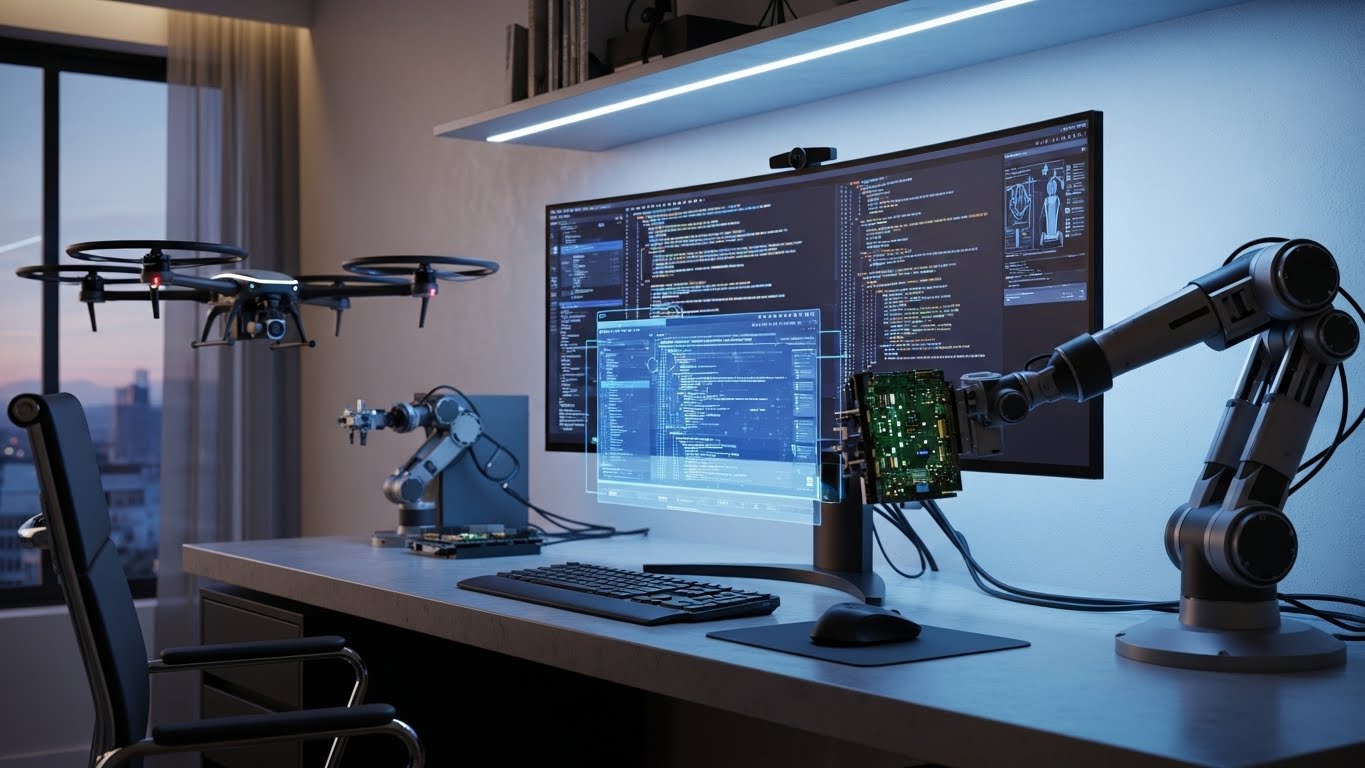
Automation has become a cornerstone of technological progress. It streamlines repetitive or complex tasks in industries, offices, and homes. In manufacturing, robotics increase efficiency and safety, reducing human error. Smart home devices automate lighting, temperature, and security systems, improving convenience and energy management. Automation allows humans to focus on creative, analytical, and strategic tasks. While concerns about workforce displacement exist, automation also generates new career opportunities in programming, system design, and robotics management, fostering a more productive and innovative society.
The Internet of Things: Connecting Everyday Life
The Internet of Things (IoT) represents a network of interconnected devices that communicate and share information. Smart devices such as smartphones, wearables, home appliances, and sensors form integrated ecosystems. IoT enables real-time monitoring of health, energy usage, and environmental conditions, creating smarter homes and cities. In industries, IoT improves efficiency through predictive maintenance and resource optimization. This interconnected technology enhances convenience, sustainability, and decision-making, transforming daily life and enabling intelligent, data-driven solutions across multiple sectors.
Cloud Computing: Transforming Data Management
Cloud computing has revolutionized how data is stored, accessed, and managed. Instead of relying solely on physical servers, cloud technology allows individuals and organizations to store data remotely and access it from anywhere. Businesses leverage cloud computing for collaboration, data analytics, software deployment, and disaster recovery. Cloud solutions support remote work, online learning, and e-commerce, providing scalability and cost-effectiveness. By enabling flexible, secure, and efficient digital operations, cloud computing has become the backbone of modern business and innovation.
Cybersecurity: Protecting the Digital Ecosystem
As technology becomes more pervasive, cybersecurity is essential to safeguard data, systems, and privacy. Threats such as hacking, malware, phishing, and identity theft pose risks to individuals and organizations. Cybersecurity strategies include encryption, firewalls, multi-factor authentication, and continuous monitoring. Organizations invest heavily in cybersecurity to protect operations, maintain customer trust, and comply with regulations. Individuals also play a role by practicing safe digital habits. Effective cybersecurity ensures that technological advancements remain safe, reliable, and beneficial for society.
Technology in Education: Learning Reimagined
Education has been transformed by technology, making learning more accessible, interactive, and personalized. Digital platforms allow students to attend virtual classes, access resources, and collaborate with peers globally. AI-driven tutoring systems, gamified learning, and simulations enhance engagement and comprehension. Technology supports inclusive education by providing tools for learners with diverse needs and abilities. Lifelong learning has also been facilitated through online courses and certification programs. By integrating technology into education, learning becomes adaptive, dynamic, and aligned with the needs of the modern workforce.
Digital Communication: Bridging Distances
Modern technology has revolutionized communication, enabling instant connection across the globe. Messaging applications, video calls, social media, and collaboration platforms allow people to interact seamlessly. Businesses operate efficiently through virtual teams, while individuals maintain personal relationships regardless of geographic barriers. Technology also facilitates the sharing of multimedia content, live events, and interactive experiences. This transformation has reshaped social, professional, and cultural interactions, making communication faster, richer, and more accessible than ever before.
Technology in Business: Driving Growth and Innovation
Businesses today rely on technology to enhance efficiency, innovate products, and compete globally. Digital tools allow companies to analyze consumer behavior, optimize operations, and forecast market trends. Automation reduces costs and improves productivity, while AI enables personalized services and strategic decision-making. E-commerce platforms provide access to global markets, and digital marketing increases engagement and brand visibility. Technology empowers businesses to innovate rapidly, respond to market changes, and achieve sustainable growth, solidifying its role as a critical driver of economic development.
The Future of Work: Adapting to Change
The workplace is rapidly evolving due to technology. Remote work, supported by cloud computing and digital collaboration tools, has become increasingly common. Automation and AI are redefining job responsibilities, reducing routine tasks while increasing demand for creative, analytical, and technical skills. Emerging careers in data science, cybersecurity, robotics, and digital marketing are shaping the workforce of tomorrow. Humans and machines will collaborate more closely, emphasizing adaptability, continuous learning, and innovation. The future of work is dynamic, technology-driven, and global in scope.
Ethical Considerations: Responsible Innovation
As technology advances, ethical considerations become more critical. Issues such as privacy, data protection, AI bias, environmental impact, and digital well-being must be addressed responsibly. Developers, businesses, and policymakers must ensure transparency, fairness, and accountability. Ethical technology fosters trust, promotes societal benefit, and minimizes potential harm. Balancing innovation with ethical responsibility is essential for building a sustainable and equitable digital ecosystem.
Emerging Trends: What the Future Holds
The future of technology is full of promise. Quantum computing offers unprecedented processing power, while augmented reality and virtual reality create immersive experiences in education, gaming, and professional training. Biotechnology and medical innovations continue to enhance healthcare outcomes, and renewable energy technologies address sustainability challenges. Artificial intelligence will evolve further, enabling smarter automation, predictive analytics, and personalized solutions. These trends illustrate the limitless potential of technology to transform industries, improve quality of life, and expand human capability.
Conclusion: Embracing a Technology-Driven World
Technology has become inseparable from modern life. It shapes communication, education, business, healthcare, and social interaction, offering both opportunities and challenges. By embracing technology responsibly, individuals and organizations can harness its potential to innovate, enhance productivity, and improve quality of life. The digital age is not just about devices and software—it is a catalyst for creativity, collaboration, and global connection. Understanding and leveraging technology is essential to shaping a smarter, more sustainable, and innovative future for generations to come.