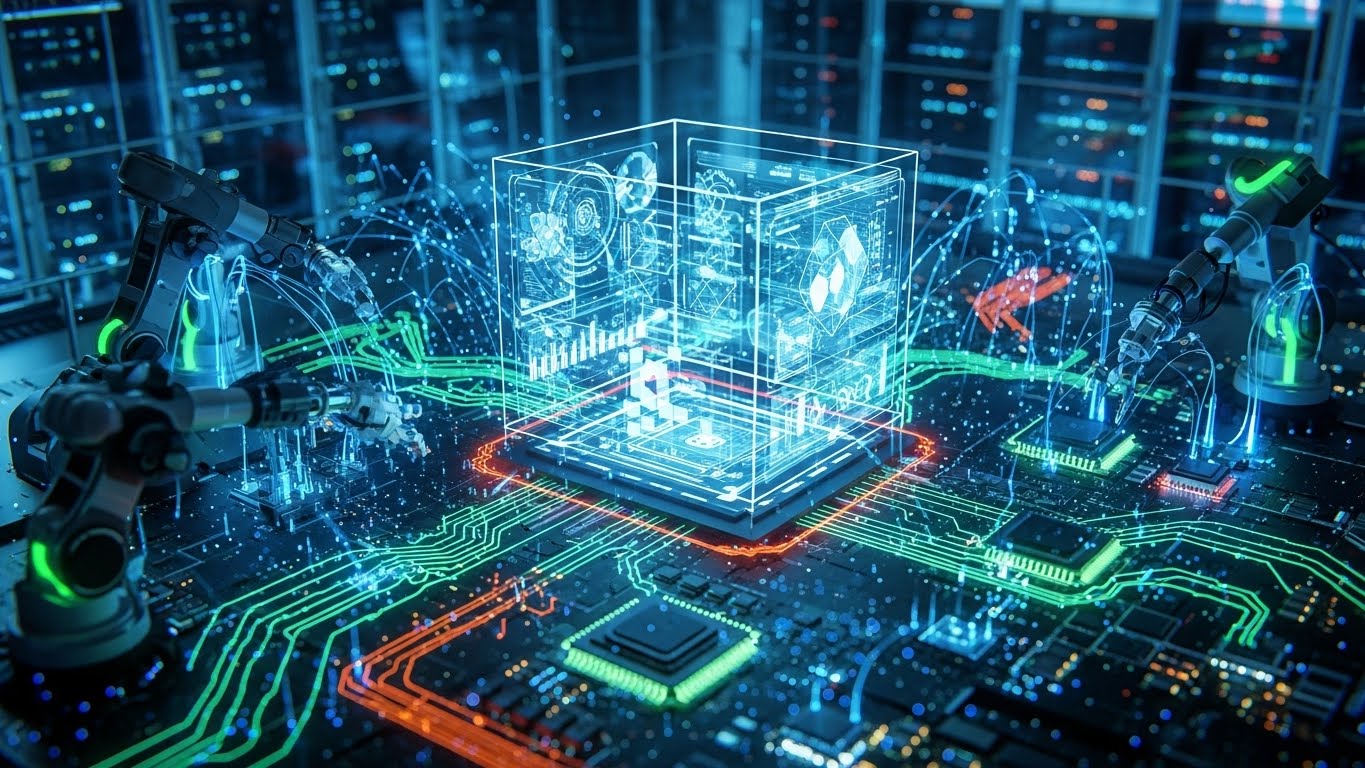

In today’s fast-paced world, technology is the driving force behind the transformation of nearly every aspect of human life. With each passing year, we witness monumental breakthroughs in fields such as artificial intelligence, robotics, and data analytics. But what does the future hold? How will these technologies continue to reshape our lives, businesses, and societies? This blog post takes a deeper dive into the exciting developments that are paving the way for a revolutionary tomorrow.
The Surge of Artificial Intelligence
Artificial Intelligence (AI) has evolved from a niche field into one of the most pivotal technologies of our time. From chatbots that assist customers to sophisticated algorithms that drive self-learning systems, AI is becoming an integral part of every industry. Its potential is limitless, and we’re already seeing AI assist in everything from medical diagnoses to personalized marketing. As AI continues to develop, we can expect it to revolutionize areas like healthcare, finance, and transportation. Imagine a future where AI-driven systems predict your health needs, or AI assistants manage your daily schedule seamlessly—this is not science fiction but a near reality.
5G and the Future of Connectivity
5G technology has been touted as the next giant leap in communication, offering speeds and connectivity that far exceed what we’re used to. With ultra-fast download speeds, low latency, and the ability to handle a greater number of connected devices, 5G is expected to unlock new possibilities for businesses and consumers alike. Whether it’s enhancing virtual reality experiences, enabling smart cities, or supporting the rapid growth of the Internet of Things (IoT), 5G is set to make everything faster, smarter, and more connected. The full implementation of 5G will likely usher in a new era of innovation, where everything from autonomous vehicles to augmented reality becomes a seamless part of our daily lives.
Blockchain Beyond Cryptocurrency
Blockchain technology is often associated with cryptocurrencies like Bitcoin, but its potential reaches far beyond digital currencies. The core of blockchain’s appeal lies in its ability to create secure, transparent, and immutable records. This has opened up new possibilities for industries such as supply chain management, digital identity verification, and even voting systems. Blockchain’s decentralized nature makes it resistant to fraud and tampering, which is why it is quickly being adopted in sectors like finance, healthcare, and real estate. As blockchain technology matures, we will see even more innovative applications emerge, fundamentally changing how we store, transfer, and authenticate information.
The Internet of Things: Connecting the World
The Internet of Things (IoT) refers to the growing network of everyday objects connected to the internet, enabling them to communicate with each other and share data. From smart thermostats that learn your preferences to wearable devices that track your health metrics, IoT is transforming how we interact with the physical world. The potential for IoT is enormous: smart homes that automatically adjust lighting and temperature, cities that optimize traffic flow in real time, and even entire industries that monitor equipment performance remotely to prevent downtime. As IoT technology evolves, it will create more efficient, sustainable, and personalized experiences for users.
The Promise of Quantum Computing
While still in its infancy, quantum computing is poised to disrupt the world of computation in a way that traditional computers never could. Unlike classical computers, which process information in binary (0s and 1s), quantum computers use quantum bits, or qubits, which can exist in multiple states simultaneously. This enables quantum computers to solve complex problems much faster than current machines can. The potential applications are vast, including drug discovery, material science, and solving optimization problems in fields like logistics and finance. Though widespread use of quantum computing is likely years away, its progress is one of the most exciting frontiers in technology today.
Robotics and Automation: A New Workforce
Automation and robotics are reshaping industries by increasing efficiency and reducing human error. Robots are now being used in manufacturing, logistics, and even surgery. These intelligent machines can perform tasks that are dangerous, repetitive, or require precision, freeing up human workers to focus on more complex activities. However, the rise of automation also raises questions about the future of employment. Will robots take over jobs? While some jobs may be displaced, there is also the potential for new roles to emerge in tech development, maintenance, and human-robot collaboration. As robotics continues to advance, it will be essential to strike a balance between leveraging technology for productivity and ensuring that workers are equipped with the skills for the jobs of the future.
The Ethical Dimensions of Tech Innovation
With every technological advancement comes a set of ethical challenges. As AI, big data, and automation become more ingrained in our lives, concerns about privacy, security, and fairness will intensify. AI algorithms, for example, can perpetuate biases if not properly managed, and the use of personal data by tech companies raises questions about surveillance and consent. The rapid pace of innovation often outpaces the development of regulatory frameworks, making it crucial for policymakers, developers, and consumers to consider the societal impact of new technologies. Creating ethical guidelines for emerging technologies will be essential to ensure that their benefits are widely distributed and that the risks are minimized.
Conclusion: Embracing a Tech-Driven Future
The future of technology is incredibly exciting, with endless possibilities for improving our lives and solving complex global challenges. From AI and 5G to blockchain and quantum computing, the technologies of tomorrow are not just concepts—they are already making their mark. However, as we embrace these advancements, it’s important to do so with a sense of responsibility. Technology should be a force for good, designed to enhance human potential and address the most pressing issues of our time. The key to a successful tech-driven future will be collaboration—between innovators, regulators, and society—to ensure that the benefits of these technologies are realized in a fair and sustainable way.