Introduction: The Pervasive Influence of Technology
Technology has become an integral part of human life, transforming the way we work, communicate, learn, and entertain ourselves. From the rise of smartphones to the emergence of artificial intelligence, technology is not merely a tool; it is the driving force behind societal evolution. Its influence touches every aspect of our lives, shaping economies, social structures, and daily routines. Understanding technology’s role is essential, not only to adapt to current changes but also to prepare for a future defined by continuous innovation.
The Evolution of Modern Technology
The history of technology is marked by constant advancement and adaptation. Early inventions, such as the wheel, printing press, and steam engine, revolutionized human productivity. The digital revolution introduced computers, the internet, and mobile devices, enabling global connectivity and instant access to information. Today, technology has evolved into sophisticated systems capable of processing vast amounts of data, automating tasks, and facilitating global communication. This evolution reflects humanity’s drive to innovate, demonstrating how technology continuously reshapes societal norms and expectations.
Artificial Intelligence: The New Frontier
Artificial intelligence (AI) is among the most transformative technological innovations of the 21st century. AI systems can process large datasets, recognize patterns, and make predictions with remarkable accuracy. Everyday applications include virtual assistants, personalized recommendations, and autonomous vehicles. In healthcare, AI aids in diagnostics and treatment planning, while in finance, it optimizes trading strategies and risk management. By handling complex tasks efficiently, AI enables industries to innovate and streamline operations, redefining what is possible for both businesses and individuals.
Automation and Productivity
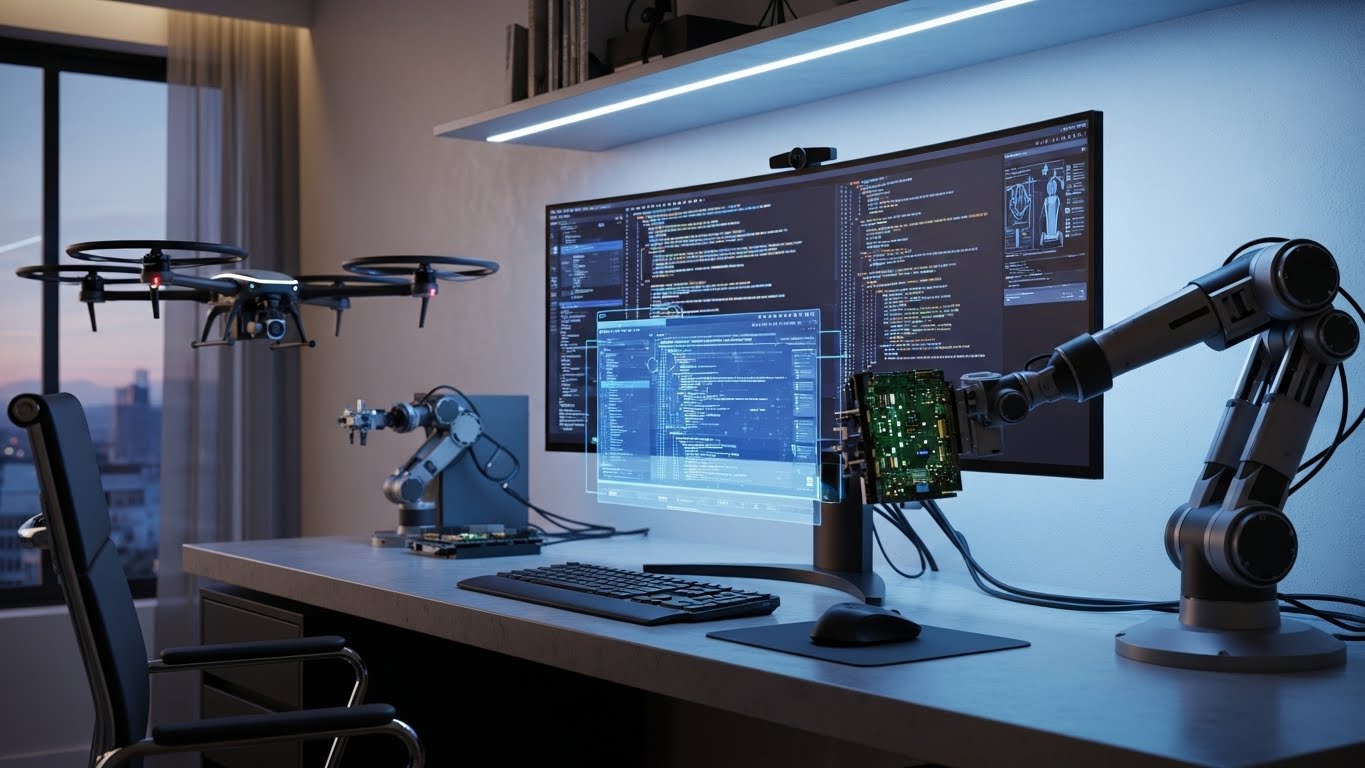
Automation extends the impact of technology beyond industrial applications into everyday life. Smart home devices automate lighting, temperature, and security, while industrial robots handle repetitive and hazardous tasks in manufacturing. Automation improves efficiency, reduces errors, and frees humans to focus on creative problem-solving and innovation. While it raises concerns about workforce displacement, it also generates new opportunities in fields such as programming, robotics management, and system design. Ultimately, automation represents a shift toward optimized productivity and intelligent collaboration between humans and machines.
Smart Devices and the Internet of Things
The proliferation of smart devices has given rise to the Internet of Things (IoT), a network of interconnected technologies that communicate and share data. Smartphones, wearables, smart appliances, and home assistants create seamless ecosystems, allowing users to monitor health, optimize energy use, and control their environment remotely. IoT enhances efficiency, convenience, and personalization, transforming daily routines and providing data-driven insights. As IoT technology advances, it will play a critical role in healthcare, urban planning, transportation, and industrial management, shaping smarter, more responsive communities.
Cloud Computing: Enabling Global Connectivity
Cloud computing has fundamentally changed how individuals and organizations store, access, and manage data. By hosting information on remote servers, cloud technology allows for flexible, scalable, and cost-effective solutions. Businesses leverage cloud platforms for collaboration, software deployment, analytics, and disaster recovery. Cloud computing also supports remote work, virtual education, and global e-commerce, enabling organizations to operate efficiently across borders. Its accessibility and scalability make cloud computing a cornerstone of modern digital infrastructure, empowering businesses and individuals to innovate without constraints.
Cybersecurity: Protecting the Digital World
As technology advances, cybersecurity becomes increasingly critical. Threats such as hacking, identity theft, malware, and data breaches pose significant risks to individuals, businesses, and governments. Cybersecurity measures, including encryption, firewalls, multi-factor authentication, and real-time monitoring, protect sensitive information from unauthorized access. Organizations invest heavily in cybersecurity to safeguard operations, ensure regulatory compliance, and maintain customer trust. For individuals, understanding safe digital practices is essential to protect personal data. A secure digital environment is fundamental to sustaining the benefits of technological progress.
Technology in Education
Technology has revolutionized education, making learning more accessible, interactive, and personalized. Digital platforms enable students to attend virtual classes, access study materials, and collaborate with peers worldwide. AI-driven tutoring systems, simulations, and gamified learning tools enhance engagement and comprehension. Technology also supports inclusivity by providing resources for learners with diverse needs. Lifelong learning is increasingly facilitated through online courses and professional development programs. By integrating technology, education evolves from a static model into a dynamic, adaptive system that prepares students for the challenges of the modern workforce.
Digital Communication: Connecting Humanity
Communication has been transformed by digital technology. Messaging apps, video calls, social media, and collaboration platforms allow people to interact instantly, regardless of location. Businesses operate efficiently through virtual teams, while individuals maintain personal relationships despite geographical distance. Digital communication also enables multimedia content sharing, live streaming, and virtual events. This evolution has reshaped social, professional, and cultural interactions, creating a more connected and informed global society where information flows quickly and communication is seamless.
Technology in Business: Driving Growth and Innovation
Modern businesses rely on technology for efficiency, innovation, and competitiveness. Digital tools enable companies to analyze consumer behavior, optimize operations, and anticipate market trends. Automation reduces operational costs and accelerates production, while AI supports smarter decision-making and personalized customer experiences. E-commerce platforms allow businesses to reach global audiences, and digital marketing strategies enhance brand engagement. Technology empowers organizations to innovate rapidly and adapt to market changes, ensuring sustainable growth and long-term success.
The Future of Work
The workplace is undergoing significant transformation due to technology. Remote work, enabled by cloud computing and digital collaboration tools, has become commonplace. Automation and AI redefine roles by reducing routine tasks and increasing the importance of creativity, problem-solving, and technical expertise. Emerging careers in data science, cybersecurity, robotics, and digital marketing are shaping the workforce of the future. Humans and machines will collaborate more closely, requiring adaptability, continuous learning, and a willingness to embrace change. The future of work is dynamic, technology-driven, and increasingly global.
Ethical Considerations in Technology
With technological advancement comes the responsibility to address ethical challenges. Privacy, data protection, AI bias, digital well-being, and environmental impact are critical considerations. Developers, organizations, and policymakers must ensure transparency, accountability, and fairness in technology deployment. Ethical technology fosters trust, promotes societal benefit, and reduces potential harm. Balancing innovation with responsibility is essential to create a sustainable digital ecosystem that enhances human life while respecting moral and social values.
Emerging Trends and Innovations
The future of technology is filled with exciting possibilities. Quantum computing promises unprecedented processing power, while augmented reality and virtual reality create immersive experiences in gaming, education, and professional training. Biotechnology and medical innovations continue to improve healthcare outcomes, and renewable energy technologies address global sustainability challenges. AI will become even more intelligent, enabling predictive analytics, advanced automation, and personalized services. These emerging trends illustrate how technology will continue to transform industries, improve quality of life, and expand human potential.
Conclusion: Embracing the Technological Future
Technology has become an inseparable part of modern life, influencing how we communicate, learn, work, and live. Its impact is profound, offering unprecedented opportunities while posing challenges that require thoughtful management. Embracing technology responsibly allows individuals and organizations to harness its potential for innovation, growth, and societal improvement. The digital revolution is not just about devices and software—it is about shaping a future where technology empowers humanity, enhances productivity, and fosters a more connected and informed world. By understanding and leveragi