
Introduction
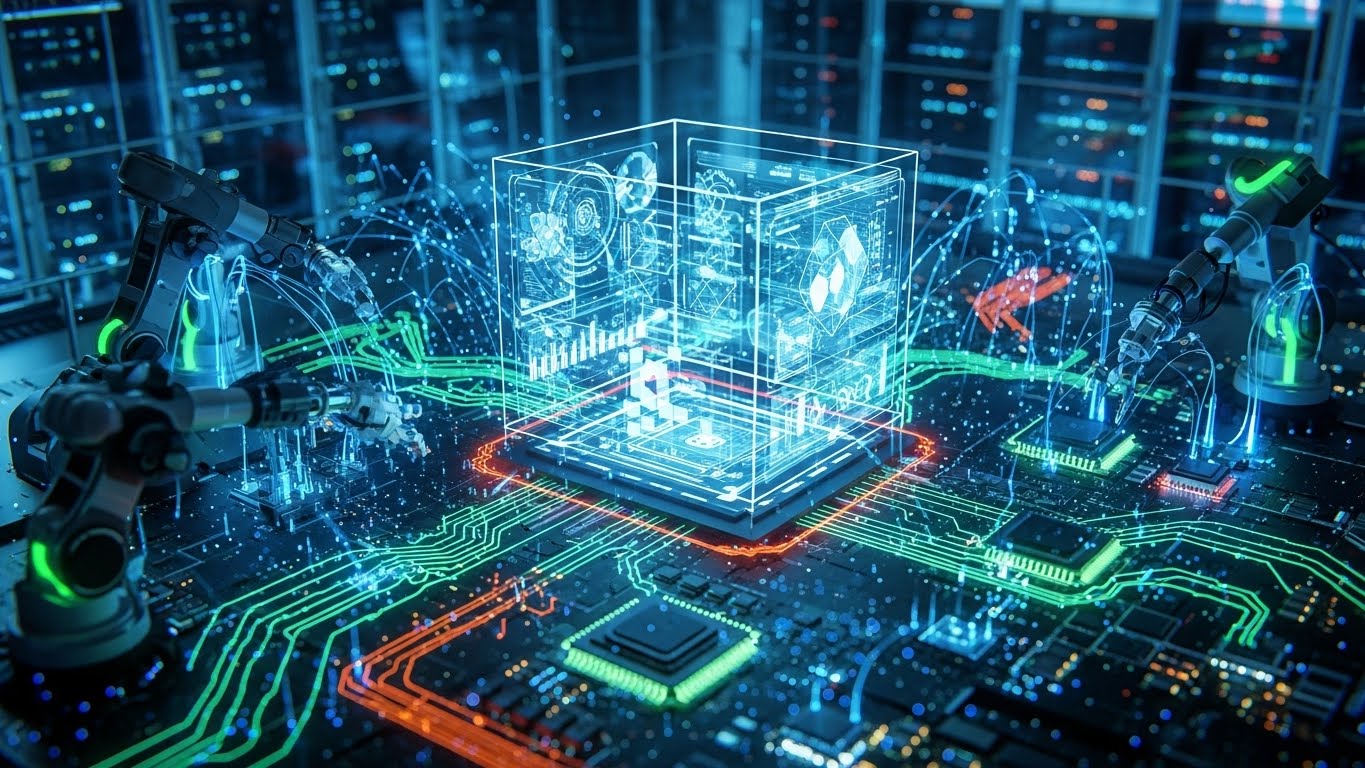
Technology is no longer a distant concept or a tool limited to laboratories and offices; it has become the lifeblood of modern society. From the way we communicate, work, and learn, to how we entertain ourselves, technology touches almost every aspect of daily life. The rapid advancement of technology over the past few decades has transformed our world, redefining human interaction, business, and even our understanding of reality. Today, innovation occurs at a pace faster than ever before, with new breakthroughs shaping the way we live, work, and think.
The influence of technology is not limited to convenience or efficiency—it also shapes culture, education, healthcare, and global connectivity. This blog explores the transformative impact of technology across multiple domains, highlighting both its benefits and the challenges it brings.
The Evolution of Technology
The history of technology is a story of human ingenuity and innovation. Early tools, such as the wheel and fire, allowed humans to manipulate their environment and improve survival. Over centuries, inventions like the printing press, the telephone, and the steam engine revolutionized communication, industry, and transportation.
In the modern era, technology has evolved at an exponential rate. The development of computers, the internet, and mobile devices has created a digital ecosystem that connects people and information instantaneously. Artificial intelligence, quantum computing, and robotics are now at the forefront of this evolution, offering possibilities that were once confined to science fiction. Unlike previous technological leaps, today’s advancements are highly interconnected, accelerating innovation and enabling global collaboration.
Communication in the Digital Age
One of the most profound impacts of technology is on communication. Digital platforms, social media, and messaging applications have redefined how humans interact. Information can now be shared across continents in seconds, shrinking the world and allowing for unprecedented connectivity.
Remote work, enabled by video conferencing and collaborative software, has redefined the workplace, offering flexibility and accessibility. Virtual classrooms allow students from different regions to learn together, breaking down geographical barriers to education. While technology enhances communication, it also introduces challenges, such as the spread of misinformation, online harassment, and the risk of digital fatigue. Navigating this complex landscape requires awareness, critical thinking, and digital literacy.
The Role of Artificial Intelligence
Artificial Intelligence (AI) is arguably one of the most transformative technologies of the 21st century. AI systems analyze vast amounts of data, recognize patterns, and make decisions with minimal human intervention. From virtual assistants like AI chatbots to predictive algorithms in healthcare, AI has the potential to enhance productivity, efficiency, and innovation across industries.
In business, AI streamlines operations, personalizes marketing, and improves customer experience. In healthcare, AI assists in early disease detection, drug development, and robotic-assisted surgeries. Autonomous vehicles and smart cities rely on AI to manage complex systems and improve efficiency. However, the rise of AI also raises ethical concerns about privacy, job displacement, algorithmic bias, and the accountability of machines in decision-making processes. Addressing these concerns is critical to ensuring that AI serves humanity responsibly.
Cloud Computing: The Backbone of Modern Technology
Cloud computing has revolutionized the way businesses and individuals store, access, and process data. Instead of relying on local storage or physical servers, cloud computing allows users to access resources online from anywhere in the world. This technology has enabled remote work, global collaboration, and the rise of software-as-a-service platforms.
Cloud computing also supports scalability and cost-efficiency, allowing businesses of all sizes to leverage powerful computational resources without heavy upfront investments. From streaming services to enterprise resource planning software, cloud computing is the invisible backbone of countless digital operations. However, it also emphasizes the importance of cybersecurity and data protection, as sensitive information is increasingly stored and transmitted online.
The Rise of the Internet of Things (IoT)
The Internet of Things (IoT) is connecting devices and systems in ways that were previously unimaginable. Everyday objects—such as home appliances, vehicles, and wearable devices—are now equipped with sensors and internet connectivity, allowing them to collect, share, and act on data.
Smart homes, powered by IoT, allow users to control lighting, temperature, and security systems remotely. Wearable health devices track heart rate, sleep patterns, and physical activity, providing valuable insights into personal well-being. In industry, IoT enables predictive maintenance, efficient supply chains, and intelligent manufacturing processes. While IoT enhances convenience and efficiency, it also increases the complexity of cybersecurity and raises concerns about privacy and data ownership.
Technology and Healthcare
Advancements in technology are reshaping healthcare in profound ways. Telemedicine allows patients to consult doctors remotely, making healthcare accessible even in remote regions. AI-driven diagnostic tools analyze medical data to detect diseases faster and more accurately. Robotics assists in delicate surgeries, improving precision and reducing recovery times.
Genomic research, powered by advanced computing and AI, is leading to personalized medicine, where treatments are tailored to individual genetic profiles. Additionally, wearable devices and health monitoring apps empower individuals to take control of their well-being. Despite these advancements, challenges remain, such as ensuring equitable access to technology, maintaining patient privacy, and addressing the digital divide in healthcare.
The Impact of 5G and Connectivity
The rollout of 5G networks is set to redefine digital connectivity. With faster speeds, lower latency, and greater reliability, 5G enables real-time communication, seamless streaming, and enhanced IoT applications. Autonomous vehicles, remote surgeries, and augmented reality experiences are all dependent on the ultra-fast and reliable connections provided by 5G.
5G will also drive innovation in smart cities, allowing real-time traffic management, energy monitoring, and public safety systems. However, the widespread adoption of 5G requires infrastructure investment and regulatory alignment, and it highlights the importance of cybersecurity to protect interconnected networks.
Technology and Education
Technology has transformed education, making learning more interactive, accessible, and personalized. Online platforms, virtual classrooms, and educational apps provide opportunities for self-paced learning and global collaboration. Artificial intelligence in education enables adaptive learning systems, tailoring content to individual students’ strengths and weaknesses.
Gamification and virtual simulations enhance engagement and understanding, especially in complex subjects such as science, engineering, and medicine. Technology has also made educational resources more widely available, breaking down barriers for students in remote or underserved regions. However, challenges remain, including ensuring equitable access to devices, internet connectivity, and digital literacy skills for all students.
Cybersecurity: Protecting the Digital World
As technology becomes increasingly integrated into daily life, cybersecurity is more critical than ever. Cyberattacks, data breaches, and identity theft pose significant risks to individuals, businesses, and governments. Strong encryption, secure authentication methods, and proactive threat monitoring are essential to safeguard digital assets.
Cybersecurity is not only a technological challenge but also a social one. Individuals must be educated about safe online practices, phishing attacks, and password management. Businesses and governments must invest in infrastructure, regulations, and incident response plans to maintain trust and protect sensitive data. In the age of digital dependence, cybersecurity is foundational to a secure and resilient society.
The Ethical Dimension of Technology
While technology offers immense benefits, it also raises ethical questions. Artificial intelligence, data privacy, automation, and digital surveillance require careful consideration of moral, legal, and social implications. Questions around algorithmic bias, AI decision-making, and human oversight are increasingly important as technology becomes more autonomous.
Ethical technology development involves transparency, accountability, and inclusive design. It also requires collaboration between engineers, policymakers, ethicists, and society at large to ensure that innovation benefits humanity without compromising rights, security, or fairness.
The Future of Technology
The future of technology promises unprecedented possibilities. Quantum computing could solve problems beyond the reach of classical computers, from drug discovery to climate modeling. Virtual reality and augmented reality will transform entertainment, education, and remote work. Artificial intelligence will continue to augment human capabilities, automating repetitive tasks while assisting in creative problem-solving.
Sustainable technology will also play a crucial role, addressing environmental challenges through green energy solutions, smart grids, and eco-friendly manufacturing. The integration of technology into daily life will continue to blur the line between physical and digital reality, offering new experiences, conveniences, and challenges. Humanity stands on the threshold of a digital horizon, where technology and human potential converge to shape a more connected, efficient, and intelligent world.
Conclusion
Technology is no longer a mere tool; it is the foundation of the modern world. It impacts communication, healthcare, education, entertainment, business, and governance. Its rapid advancement brings both opportunities and challenges, offering unprecedented convenience, efficiency, and creativity while raising questions about ethics, security, and societal impact.
The digital horizon is both exciting and complex, demanding that we navigate innovation responsibly. By embracing technological progress while prioritizing ethical considerations, cybersecurity, and equitable access, humanity can harness the full potential of technology to improve lives, solve global challenges, and shape a future where innovation serves the greater good.
In the end, technology is not just about machines and software—it is about amplifying human potential and expanding the horizons of what is possible. The journey has only just begun, and the possibilities are limitless.