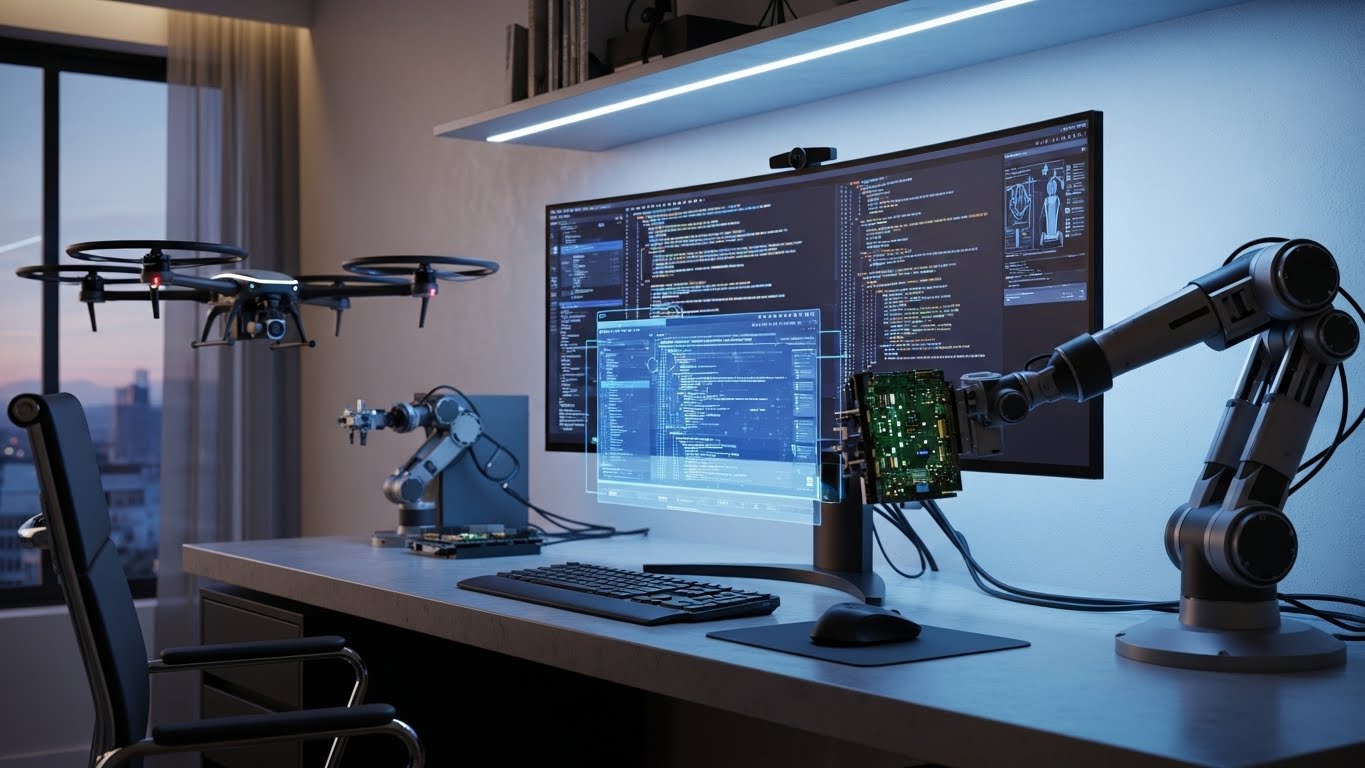

Introduction: Tech That Works for You
Technology is no longer just about having the latest gadget or the fastest processor. It’s about integration — how seamlessly technology fits into our lives without creating a disruption. The evolution of tech over the years has shown us that the most powerful advancements aren’t necessarily the flashiest, but the ones that work silently and efficiently in the background. Today, innovation is increasingly focused on making technology intuitive, accessible, and, most importantly, simple.
User Experience: Shaping the Future of Tech
In the past, technology was often designed with the engineer in mind, focusing on performance and capabilities over usability. However, the shift towards user-centered design is now a central theme in tech development. Companies are focusing on creating products and systems that prioritize the end-user experience. Whether it’s smartphones, voice-controlled devices, or smart home technology, the goal is to make everything more intuitive and less complicated. We now expect our devices to understand us — to predict our needs and adapt to our preferences.
The Rise of Automation and Artificial Intelligence
Automation and Artificial Intelligence (AI) are two pillars that have revolutionized technology in recent years. AI has moved beyond simple tasks and now powers entire ecosystems. From predictive algorithms recommending content to advanced machine learning models that anticipate user actions, AI is shaping the way we interact with our devices. The beauty of AI is its ability to simplify complex tasks, offering a more efficient and tailored experience without requiring users to dive deep into settings or configurations.
Automation, on the other hand, is taking the concept of simplicity even further. Tasks that once required manual intervention, like adjusting the temperature of your home or switching off lights, can now be done automatically based on your preferences and routines. These technologies free up mental space for users, allowing them to focus on more important aspects of life.
The Internet of Things (IoT): Connecting Everything
The Internet of Things (IoT) is a growing network of devices, sensors, and systems designed to communicate with each other over the internet. While the idea of interconnected devices might sound complex, IoT’s true value lies in how it simplifies our lives. Think of a smart refrigerator that tracks your food inventory, or a fitness tracker that syncs with your phone to provide real-time health data. These devices work quietly in the background, gathering information and automating tasks that would have once required extra effort or attention.
IoT is also changing the way businesses operate, enabling everything from inventory management to predictive maintenance, all driven by data collected from interconnected devices. It’s about making technology work for us, even when we don’t realize it’s there.
The Challenges of Keeping Tech Simple
While simplicity in technology is a growing trend, it’s not without its challenges. The more streamlined technology becomes, the less control users often have over how systems work. With many devices automating tasks in the background, users may feel like they are losing touch with the processes that drive those systems. Moreover, as we rely more on connected devices, the risk of data privacy issues and security breaches increases. With simplicity comes responsibility — both from the developers creating these systems and the users trusting them.
Additionally, while the goal is often to simplify, the technology itself can still be highly complex. Behind the seamless interface of a smartphone or a voice assistant, there are layers of sophisticated algorithms and systems working tirelessly to deliver the results we expect. The real challenge, then, is not necessarily to reduce the complexity of the technology itself, but to make that complexity invisible to the user.
Looking to the Future: The Next Wave of Simple Tech
The future of technology will likely continue along the path of simplification. New innovations in fields like augmented reality (AR), virtual reality (VR), and 5G networks are set to make our experiences even more immersive and intuitive. Devices will continue to evolve, becoming more integrated into our daily lives and capable of anticipating needs before we even have to ask. However, the real innovation will lie in how we manage to keep these technologies accessible and user-friendly, while ensuring privacy and security remain top priorities.
Conclusion: A World Where Tech Works for Us
As technology continues to advance, the future will be one where devices and systems are seamlessly integrated into our daily routines. Technology should not be something that we have to constantly learn or adjust to; it should work for us in ways that make our lives easier, more efficient, and more connected. As long as simplicity remains at the heart of technological development, we can look forward to a future where innovation empowers rather than overwhelms. The power of simplicity in tech is not just about reducing complexity—it’s about enhancing our lives without us even noticing.