
Introduction
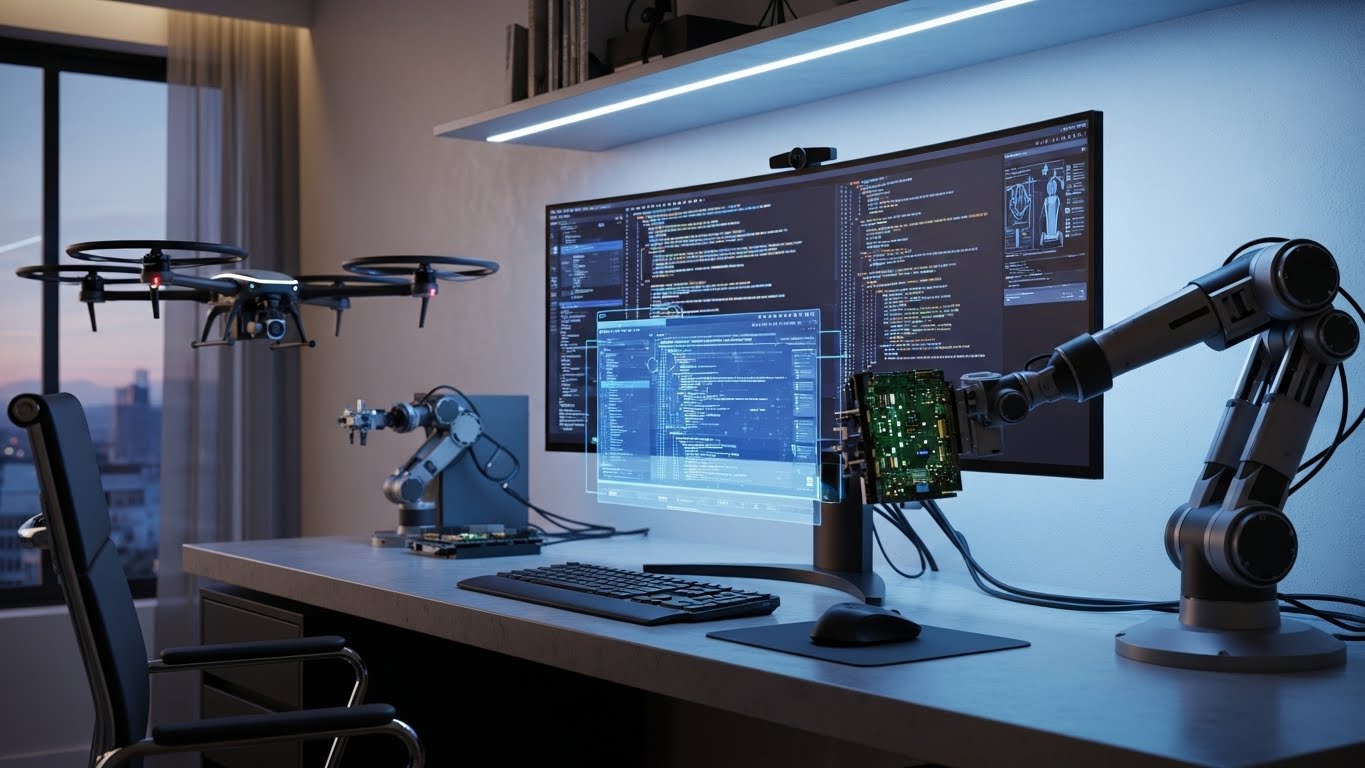
Technology has become the heartbeat of the modern world. It influences every aspect of our lives, from how we communicate and learn to how we work and entertain ourselves. The evolution of technology has led to a new era—often called the Tech Renaissance—where creativity and innovation merge to redefine what it means to live in the digital age. This transformation is not only reshaping industries but also altering human behavior, culture, and even the way we think. In this blog, we explore the remarkable journey of technological progress, its profound effects on society, and what the future might hold for humanity in this era of innovation.
The Evolution of Technology: From Simplicity to Sophistication
The history of technology is a story of human curiosity and invention. It began with simple tools made of stone and wood, gradually progressing to complex machinery that powered the Industrial Revolution. The invention of electricity and the telephone revolutionized human communication and daily life. Later, the emergence of computers in the 20th century marked a turning point, paving the way for the digital revolution.
In the 21st century, technology has evolved beyond imagination. From artificial intelligence to quantum computing, each breakthrough pushes the boundaries of possibility. What was once considered science fiction is now reality—autonomous vehicles, smart homes, virtual reality, and advanced robotics. This rapid advancement has not only made life more convenient but also redefined the structure of economies, education, healthcare, and governance.
The Digital Transformation of Society
Digital transformation has changed how societies function. Businesses, governments, and individuals rely heavily on digital systems for communication, trade, and decision-making. The internet, once a luxury, has become a basic necessity, connecting billions of people across the globe. Social media platforms allow instant interaction regardless of location, while cloud computing enables collaboration on a scale never seen before.
E-commerce has revolutionized retail, with people shopping online more than ever. Digital payment systems have replaced traditional cash transactions, making financial services accessible even in remote areas. Governments are adopting digital governance systems to provide transparent, efficient, and citizen-friendly services. This transformation has made societies smarter, faster, and more interconnected, but it has also introduced challenges related to privacy, cybersecurity, and digital inequality.
Artificial Intelligence: The Brain of the Future
Artificial Intelligence, or AI, is one of the most groundbreaking technologies of our time. It allows machines to think, learn, and make decisions like humans. AI is behind voice assistants, facial recognition systems, self-driving cars, and medical diagnostics. Its ability to process massive amounts of data in seconds enables faster and more accurate outcomes across industries.
In healthcare, AI helps detect diseases at early stages by analyzing medical images. In education, it personalizes learning experiences based on individual needs. Businesses use AI for customer insights, predictive analysis, and operational efficiency. However, the rise of AI also brings ethical concerns. Questions about job displacement, algorithmic bias, and loss of privacy must be addressed carefully. The key lies in ensuring that AI serves humanity rather than replacing it.
Automation and the Future of Work
Automation is transforming the global workforce. Machines and software systems are taking over repetitive and manual tasks, allowing humans to focus on creativity and innovation. Manufacturing industries have adopted robots for precision work, while offices use automated systems to handle data processing and scheduling.
This shift presents both opportunities and challenges. While automation increases productivity and reduces costs, it also threatens traditional jobs. However, new roles are emerging in fields like robotics, data analysis, and machine learning. The future of work will not be about competing with machines but collaborating with them. Workers will need to develop new skills, emphasizing adaptability, problem-solving, and digital literacy.
The Power of Data in the Modern World
Data has become the new driving force of the digital economy. Every online action—searching, shopping, or streaming—generates valuable information. Companies use data analytics to understand customer behavior, predict trends, and improve products. Governments use data to plan cities, manage traffic, and monitor public health.
The rise of big data and advanced analytics tools has made decision-making more evidence-based. However, the handling of data raises important ethical questions about consent and privacy. Striking a balance between innovation and protection of personal information is one of the biggest challenges of the digital age. Responsible data use is essential for building trust between technology and society.
Cloud Computing: Redefining Accessibility
Cloud computing has revolutionized how information is stored and accessed. Instead of relying on local storage, data and applications are hosted on virtual servers accessible from anywhere. This technology has empowered businesses to operate globally without physical boundaries. It has also enabled remote work, online education, and digital collaboration across continents.
For individuals, the cloud means convenience—photos, documents, and music are available anytime, anywhere. For organizations, it means scalability and cost efficiency. The flexibility of cloud systems supports innovation, allowing startups and enterprises alike to compete on a global stage. Yet, as dependency on cloud services grows, so does the need for robust cybersecurity measures to safeguard sensitive information.
The Internet of Things and Smart Living
The Internet of Things (IoT) connects everyday objects to the internet, allowing them to communicate and share data. From smart thermostats to connected cars, IoT has brought intelligence to ordinary devices. This connectivity enhances comfort, efficiency, and sustainability in daily life.
Smart homes can adjust lighting, temperature, and security systems automatically. In agriculture, IoT devices monitor soil moisture and weather conditions to optimize crop yields. In healthcare, wearable devices track heart rate, sleep patterns, and fitness levels, helping people maintain healthier lifestyles. The integration of IoT into urban planning has led to the creation of smart cities, where energy consumption, waste management, and transportation are optimized through real-time data.
Cybersecurity: Protecting the Digital Frontier
As technology grows, so does the threat of cybercrime. Hackers target financial institutions, government systems, and personal devices, causing massive data breaches and financial losses. Cybersecurity has therefore become one of the most important aspects of modern technology.
Protecting digital systems requires constant vigilance, innovation, and global cooperation. Encryption, multi-factor authentication, and advanced firewalls are essential tools in safeguarding digital assets. Individuals must also take responsibility by practicing safe online habits. As digital threats evolve, so too must our defense strategies. In the future, cybersecurity will be a fundamental pillar of digital trust and progress.
Technology in Education
Technology has transformed education into an interactive, flexible, and accessible experience. Digital classrooms, online courses, and educational apps have made learning available to anyone with an internet connection. Teachers use virtual tools to engage students, while learners can access a world of knowledge at their fingertips.
Artificial intelligence in education helps identify students’ strengths and weaknesses, offering personalized recommendations. Virtual reality provides immersive learning experiences, allowing students to explore historical events or scientific concepts as if they were there. However, ensuring equal access to technology remains a challenge, as the digital divide continues to separate privileged learners from those without connectivity.
Technology and Healthcare
The healthcare sector has seen remarkable advancements due to technology. Telemedicine allows doctors to consult patients remotely, reducing the need for physical visits. Robotics assist in surgeries with greater precision, while artificial intelligence helps diagnose diseases more accurately.
Wearable devices monitor health in real time, encouraging preventive care. Biotechnology is unlocking new treatments, and 3D printing is creating customized implants and prosthetics. These innovations improve patient outcomes and accessibility to care. Yet, technology must be used ethically, ensuring privacy, transparency, and equality in medical services.
The Environmental Role of Technology
Technology has a dual impact on the environment. On one hand, electronic waste and excessive energy use pose serious ecological challenges. On the other, innovation offers solutions to environmental problems. Green technologies, such as renewable energy, electric vehicles, and sustainable agriculture, are helping combat climate change.
Smart grids manage energy efficiently, while AI systems predict environmental patterns for disaster management. Digital tools promote awareness and encourage responsible consumption. The future of the planet depends on how wisely humanity uses technology to create harmony between progress and nature.
The Ethical Dimension of Technology
As technology grows in power, so does its ethical responsibility. Issues like data misuse, algorithmic bias, digital addiction, and misinformation require thoughtful regulation. The ethical use of technology ensures that innovation serves humanity rather than harming it.
Developers, policymakers, and users must work together to establish transparency, accountability, and fairness in technological systems. Technology must reflect human values and dignity. The real challenge is not just inventing smarter machines but creating a smarter, more ethical digital society.
The Future of Technology: Beyond Imagination
The future promises even more groundbreaking innovations. Quantum computing will revolutionize problem-solving. Artificial intelligence will become more intuitive and emotionally intelligent. Biotechnology will merge human biology with digital intelligence, leading to a new phase of evolution known as transhumanism.
The metaverse will expand digital reality into immersive worlds where people can work, learn, and socialize virtually. Space technology will open pathways to interplanetary travel, while renewable energy breakthroughs will reshape global economies. The next generation of technology will not just change the world—it will redefine what it means to be human.
Conclusion
Technology has become the most powerful force shaping the modern world. It connects people, empowers industries, and drives progress in every field. From artificial intelligence to smart cities, its influence is limitless. Yet, with great power comes great responsibility. The future of humanity will depend on how wisely we balance innovation with ethics, convenience with privacy, and progress with sustainability.
The Tech Renaissance is not just about machines and algorithms—it is about humanity’s creative spirit and its endless quest for improvement. By embracing technology responsibly, we can build a world that is not only smarter but also kinder, fairer, and more connected than ever before.