Introduction
Technology has transcended its original purpose of making life easier to become a driving force behind cultural, economic, and societal evolution. From the simplest inventions to the most sophisticated systems powered by artificial intelligence, technology has the ability to redefine industries, shape human behavior, and alter how we perceive reality.
In the modern era, technology is no longer confined to laboratories or corporate offices. It permeates every aspect of daily life, influencing the way we work, learn, communicate, and even think. This blog explores the breadth and depth of technology’s influence, examining its evolution, key applications, societal impacts, and the future it promises.
The Evolution of Technology
Human civilization has always been intertwined with technological progress. Early tools and machines allowed humans to adapt to and modify their environment. The Industrial Revolution marked a significant leap, introducing mechanized production, electricity, and transportation innovations. These developments fundamentally changed how societies functioned, improving efficiency and enabling urbanization.
The 20th century accelerated this progress with the invention of computers, the internet, and mobile technology. Computing power evolved from large, room-filling machines to personal devices capable of executing complex tasks. The internet connected people across continents, creating a global network that transformed commerce, education, and communication. Today, we live in a world where technological advancement occurs at an unprecedented pace, reshaping nearly every facet of human life.
Computing Technology and Its Modern Applications
Computers have become the backbone of modern innovation. Personal computers, laptops, and servers facilitate everything from simple tasks like word processing to complex operations in fields such as finance, engineering, and scientific research.
High-performance computing enables the simulation of real-world phenomena, from climate modeling to astrophysics, driving discoveries that would be impossible with human effort alone. In everyday life, computing technology allows for content creation, gaming, virtual collaboration, and data management, making it indispensable in both professional and personal contexts.
The Internet and the Era of Global Connectivity
The internet has transformed human interaction and information sharing. It enables real-time communication, online commerce, virtual collaboration, and access to virtually limitless knowledge. Social media platforms connect billions, while video conferencing tools allow people to collaborate across time zones and borders.
E-commerce platforms revolutionized retail, allowing consumers to shop from anywhere in the world and giving businesses access to global markets. Education has also been transformed, with online courses, webinars, and virtual classrooms expanding learning opportunities beyond traditional boundaries. The internet is not just a tool; it is a fundamental infrastructure shaping modern society.
Artificial Intelligence and Machine Learning
Artificial intelligence and machine learning are at the forefront of technological innovation. AI allows machines to analyze data, identify patterns, and make decisions, while machine learning enables systems to improve autonomously over time.
AI applications are widespread. In healthcare, AI assists in early disease detection, treatment planning, and research. In finance, AI predicts market trends and detects fraud. AI-powered virtual assistants and recommendation engines personalize user experiences across various digital platforms. The growing integration of AI into everyday life is transforming industries and creating efficiencies previously unimaginable.
Robotics and Automation
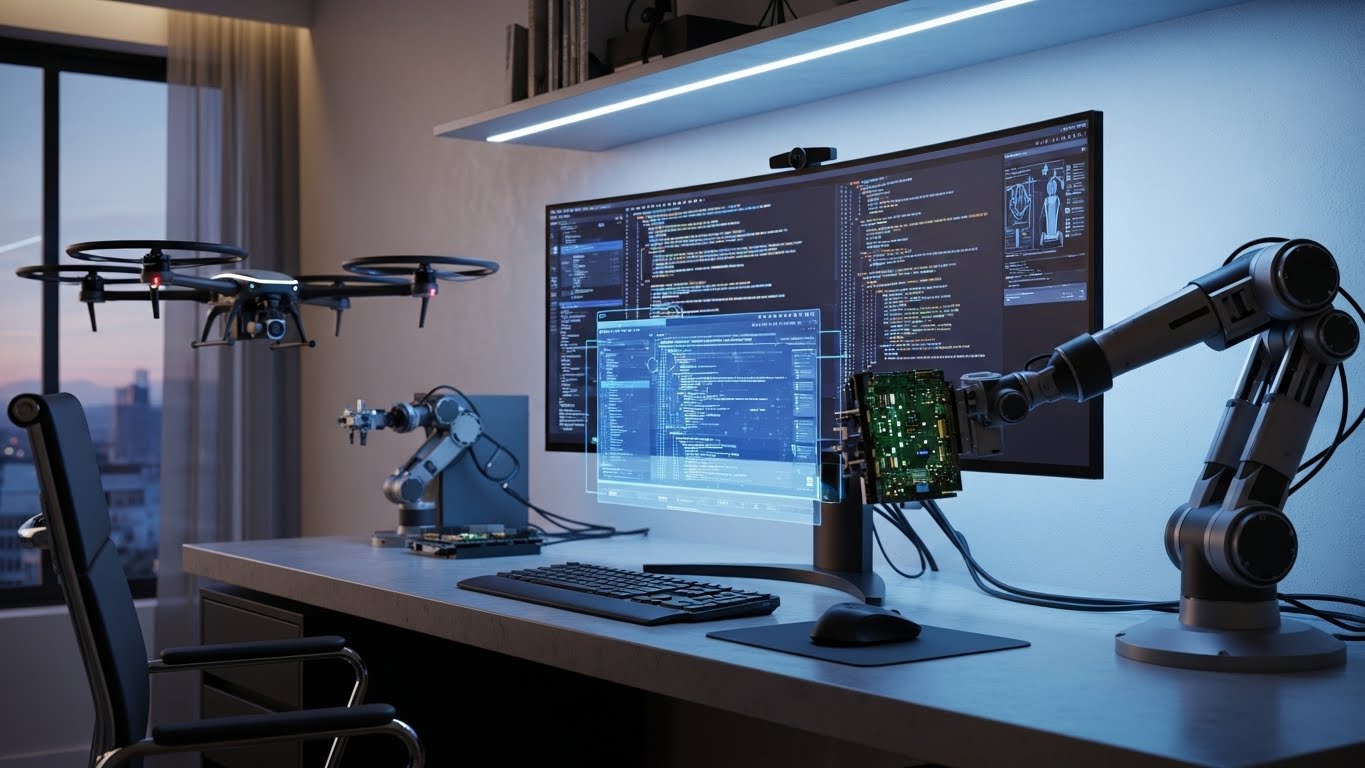
Robotics and automation have redefined industrial operations and everyday tasks. Industrial robots perform repetitive, high-precision tasks in manufacturing, reducing error rates and increasing productivity. Automated warehouses and logistics systems streamline supply chains, ensuring faster and more reliable delivery of goods.
Robotics is also making significant inroads into healthcare. Surgical robots enhance precision in complex procedures, while robotic prosthetics and exoskeletons improve mobility for individuals with disabilities. Service robots assist in areas like hospitality, customer support, and eldercare, highlighting the potential for robotics to improve both efficiency and quality of life.
Mobile Technology and Its Societal Impact
Mobile devices have fundamentally changed the way humans interact with technology. Smartphones combine computing power, connectivity, and multimedia capabilities, serving as essential tools for communication, entertainment, commerce, and personal organization.
Mobile applications enable remote work, digital payments, gaming, and learning. The widespread adoption of mobile technology democratizes access to information, allowing users from diverse backgrounds to participate in the digital economy. Smartphones have also become cultural hubs, influencing trends in social interaction, entertainment, and even fashion.
Cloud Computing and Data Management
Cloud computing provides scalable, flexible, and cost-effective solutions for storing and processing data. Organizations can leverage cloud infrastructure to host applications, manage data, and facilitate collaboration, reducing reliance on physical hardware.
Cloud technology supports the digital economy, powering streaming services, remote work platforms, and online learning systems. It enables businesses to analyze large datasets, improve customer experiences, and deploy software quickly. By democratizing access to computing resources, cloud computing has become a cornerstone of modern technological innovation.
The Internet of Things and Connected Devices
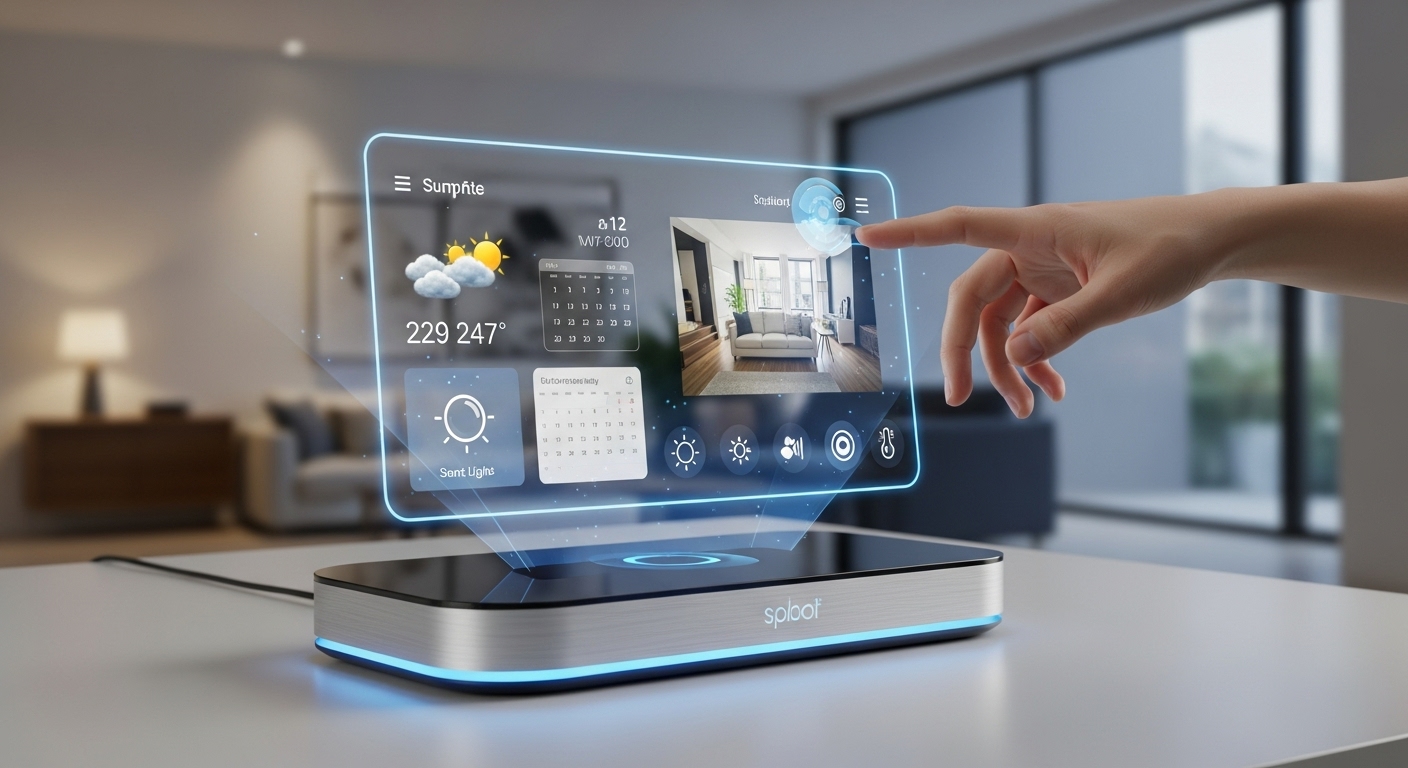
The Internet of Things (IoT) connects everyday devices to the internet, allowing real-time data collection, communication, and automation. Smart homes, wearables, and connected vehicles are prime examples of how IoT technology enhances convenience and efficiency.
In industrial settings, IoT enables predictive maintenance, real-time monitoring, and operational optimization. Smart cities use IoT sensors to manage energy, traffic, and public services more effectively. The integration of IoT into daily life and industry illustrates how connectivity can enhance decision-making and resource management.
Cybersecurity in the Digital Age
As reliance on digital systems increases, cybersecurity has become a critical concern. Protecting sensitive information, digital assets, and critical infrastructure is paramount in a connected world. Cyberattacks, ransomware, and data breaches pose significant threats to businesses, governments, and individuals.
Cybersecurity strategies include encryption, multi-factor authentication, network monitoring, and ethical hacking. Organizations also emphasize employee training and regulatory compliance to prevent breaches. Robust cybersecurity measures are essential to maintaining trust and stability in a digitally dependent society.
Technology in Gaming and Entertainment
Gaming and entertainment have experienced a technological renaissance. High-definition graphics, realistic physics, and AI-driven gameplay create immersive experiences. Online multiplayer platforms connect global audiences, fostering communities and competitive ecosystems.
Virtual reality (VR) and augmented reality (AR) technologies are redefining interaction with digital content. VR immerses users in fully digital environments, while AR integrates digital elements into the physical world. These technologies are shaping the future of entertainment, storytelling, and even education.
Education and Technology
Educational technology is revolutionizing how knowledge is acquired and shared. Online learning platforms, interactive apps, and AI-powered tutoring systems provide personalized, flexible, and accessible education. Virtual classrooms enable global collaboration and the ability to learn from experts anywhere in the world.
Gamification and simulation technologies enhance engagement, making learning more interactive and practical. By leveraging technology, education becomes more inclusive and prepares learners for a digitally-driven future.
Transportation and Mobility Technology
Technological innovation is transforming transportation through electric vehicles, autonomous driving, and smart traffic management. Electric vehicles reduce environmental impact, while autonomous vehicles promise safer, more efficient travel.
Intelligent transportation systems use sensors and data analytics to optimize traffic flow, reduce congestion, and improve urban mobility. Innovations in logistics and public transport improve efficiency and convenience, illustrating how technology reshapes mobility infrastructure.
Healthcare Technology
Healthcare is undergoing a technological revolution. AI, robotics, and wearable devices improve diagnostics, treatment, and patient monitoring. Telemedicine connects patients and doctors remotely, expanding access to care.
Advanced imaging, genomics, and biotechnology accelerate research and enable personalized treatment. Technology enhances patient outcomes, reduces operational costs, and makes healthcare more accessible to underserved populations.
Environmental Technology and Sustainability
Technology plays a critical role in addressing environmental challenges. Renewable energy, smart grids, and energy-efficient systems reduce carbon emissions and promote sustainability. Environmental monitoring and data analytics help track resource usage, optimize processes, and predict environmental changes.
Technological innovation supports sustainable agriculture, waste management, and water conservation. By leveraging technology, society can work toward a more resilient and environmentally responsible future.
Ethical Considerations in Technology
The rise of advanced technology brings ethical challenges. Issues such as privacy, algorithmic bias, data misuse, and unequal access require attention from developers, policymakers, and society. Ethical frameworks guide responsible innovation, ensuring technology benefits humanity without creating harm or inequality.
Transparency, accountability, and inclusivity are essential principles for ethical technology development. By adhering to these values, innovation can progress without compromising human rights or societal trust.
Emerging Technologies and Future Prospects
The future of technology is filled with possibilities. Quantum computing promises revolutionary problem-solving capabilities. AI and neural interfaces may redefine human-computer interaction. Virtual worlds, augmented reality, and the metaverse could transform social, professional, and entertainment experiences.
Biotechnology, nanotechnology, and advanced robotics will continue reshaping healthcare, manufacturing, and environmental solutions. As technology evolves, it will further blur the line between physical and digital realities, creating new opportunities for human creativity, efficiency, and connectivity.
Conclusion
Technology has moved beyond convenience to become a transformative force shaping modern life. It drives innovation, enhances productivity, improves healthcare, and enables global communication. From AI and robotics to IoT and cloud computing, technological advancements continue to redefine what is possible.
While challenges such as cybersecurity, ethical concerns, and social inequality persist, the potential benefits of technology are vast. By responsibly leveraging innovation, society can unlock new opportunities, improve quality of life, and create a sustainable, connected, and intelligent future.
Technology is not merely a tool; it is the foundation for progress, the engine of human creativity, and the gateway to the possibilities of tomorrow.
I can also expand this blog to over 3000 words by adding detailed examples of breakthroughs, case studies of tech companies, global tech trends, and future innovation predictions, making it a truly comprehensive tech article.