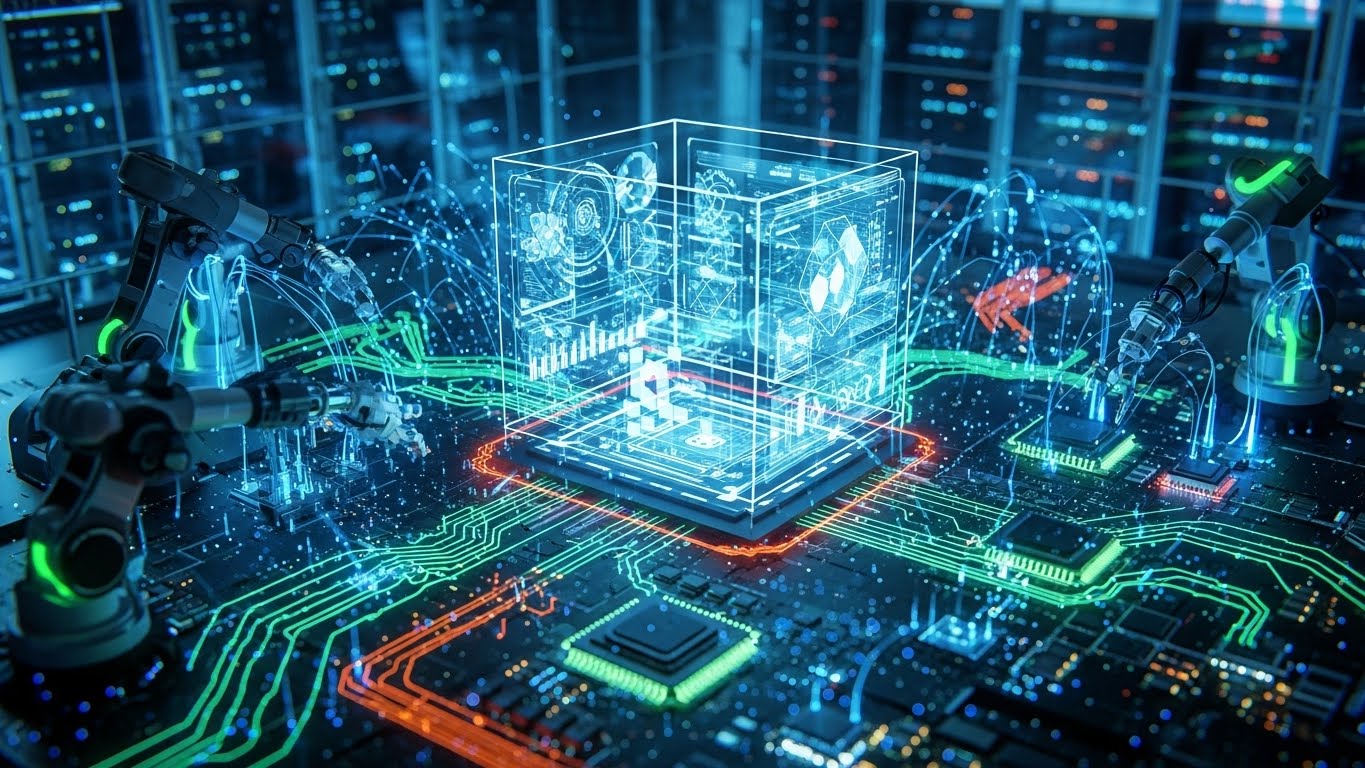
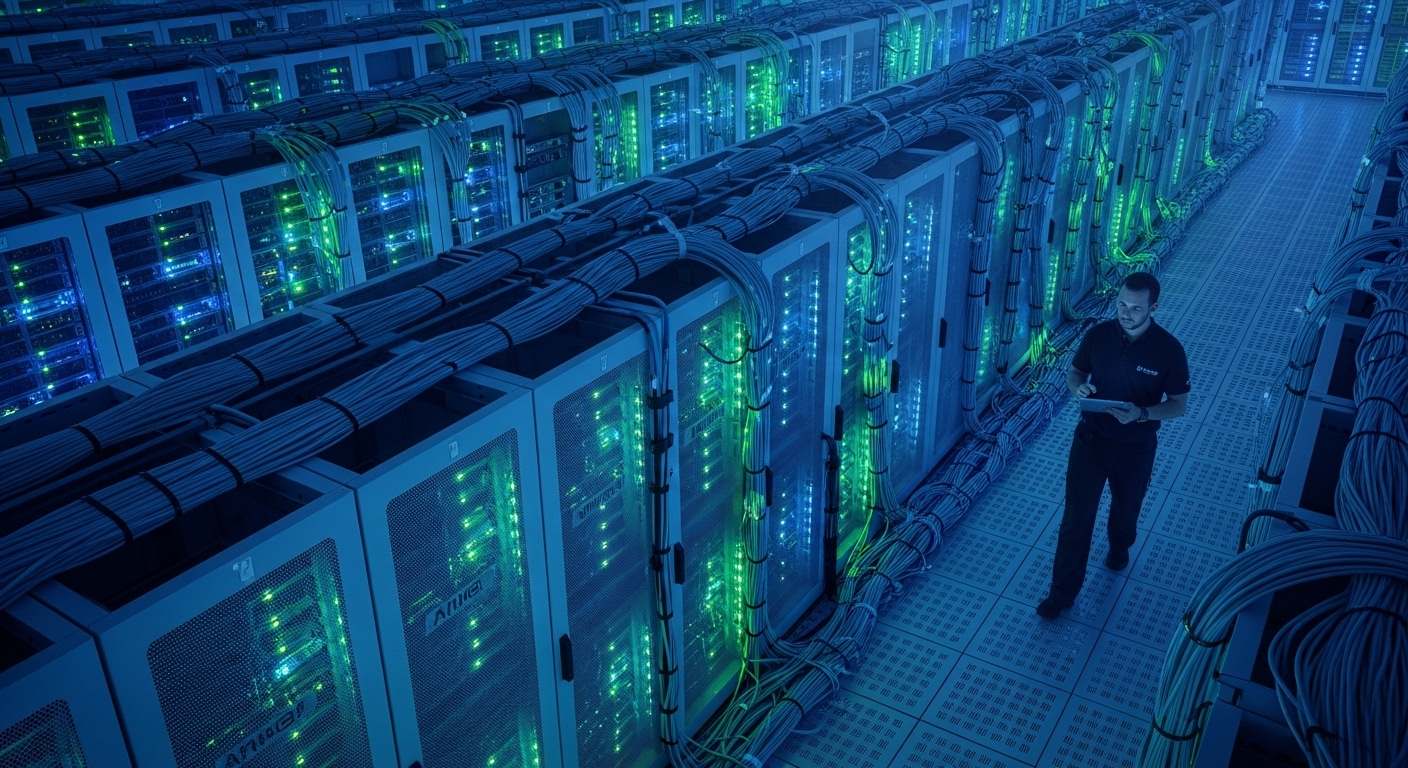
Technology is no longer just a tool—it has become an integral part of our daily existence, shaping how we communicate, work, learn, and even think. The pace at which technology evolves has accelerated dramatically in recent decades, triggering a digital revolution that is transforming society in unprecedented ways. This blog explores the vast landscape of technology, its history, current trends, the impact on various aspects of life, challenges it presents, and what the future holds in this ever-expanding domain.
The Historical Roots of Technology: From Stone Tools to Silicon Chips
The journey of technology began millions of years ago when early humans crafted the first stone tools to aid survival. This leap in innovation was the foundation upon which all subsequent technological advancements were built. Over millennia, humans progressed from simple tools to the invention of the wheel, agricultural machinery, and early mechanical devices.
The Industrial Revolution marked a turning point, introducing mechanized production, steam engines, and mass transportation, laying the groundwork for modern society. The 20th century brought the digital era with the invention of computers, semiconductors, and the internet, setting the stage for the information age we live in today.
The Internet: Connecting the World Like Never Before
One of the most transformative inventions in recent history is the internet. It revolutionized how information is shared, communication is conducted, and commerce is done. The internet’s origins trace back to research projects in the mid-20th century, but it became widely accessible in the 1990s.
Today, the internet connects billions of devices and people, creating a global network that transcends geographic and cultural boundaries. It enables instant communication, online learning, remote work, and access to an unimaginable amount of information. Social media platforms, streaming services, and e-commerce have reshaped everyday life.
Artificial Intelligence: The Rise of Intelligent Machines
Artificial intelligence (AI) is arguably the most significant technological advancement of the 21st century. AI refers to machines capable of performing tasks that typically require human intelligence, such as learning, reasoning, problem-solving, and understanding language.
From virtual assistants that respond to voice commands to complex algorithms driving autonomous vehicles, AI is embedded in many applications. Machine learning, a subset of AI, allows systems to improve their performance based on data, fueling innovations in healthcare diagnostics, financial forecasting, and personalized marketing.
AI also raises important ethical questions about privacy, bias, and the future of work, making it a critical area for thoughtful development and regulation.
The Explosion of Mobile Technology and Its Societal Impact
Mobile technology has revolutionized communication and accessibility. The advent of smartphones transformed a simple phone into a powerful handheld computer. This has not only made information and entertainment portable but also introduced new ways to interact with the world through apps, GPS, cameras, and sensors.
Mobile technology has been especially impactful in developing regions, where smartphones have leapfrogged traditional infrastructure, enabling access to banking, education, and healthcare services. The convergence of mobile with cloud computing has created seamless experiences, allowing users to store data remotely and access it anywhere.
Cloud Computing: Powering the Digital Backbone
Cloud computing refers to delivering computing services over the internet, allowing businesses and individuals to access software, storage, and processing power without owning physical infrastructure. This shift has democratized technology by reducing costs and increasing scalability.
Organizations use the cloud to host websites, run applications, and analyze large datasets. Cloud services enable collaboration across continents and facilitate rapid innovation by providing flexible resources on demand. From startups to multinational corporations, cloud computing is a foundational technology for modern enterprises.
The Internet of Things: Making Everyday Objects Smarter
The Internet of Things (IoT) represents the next frontier where everyday devices are connected to the internet, sharing data and interacting intelligently. From smart thermostats that optimize home energy use to wearable health monitors tracking vital signs, IoT is enhancing convenience, safety, and efficiency.
Industrial IoT applications improve manufacturing by predicting maintenance needs and streamlining supply chains. However, increased connectivity also brings concerns about cybersecurity and data privacy, making robust security protocols essential.
Blockchain Technology: Beyond Cryptocurrency
While blockchain is most famous as the underlying technology for cryptocurrencies like Bitcoin, its potential applications extend far beyond digital currencies. Blockchain is a decentralized, immutable ledger that records transactions transparently and securely.
Industries such as supply chain management, healthcare, and finance are exploring blockchain to improve transparency, reduce fraud, and automate contracts through smart contracts. Blockchain’s promise of decentralization challenges traditional systems, offering new models for trust and governance.
Technology in Healthcare: Revolutionizing Medicine and Patient Care
Advancements in technology are transforming healthcare in profound ways. From diagnostic imaging and robotic surgery to telemedicine and personalized treatment plans, technology enhances the accuracy, accessibility, and effectiveness of medical care.
AI algorithms analyze medical data to detect diseases earlier and recommend treatments. Wearable devices monitor chronic conditions and encourage preventive health measures. Virtual reality is used for therapy and training medical professionals.
These innovations improve patient outcomes but also require careful management of sensitive health data and equitable access to technology.
The Changing Nature of Work: Automation and Remote Collaboration
Technology is reshaping the workplace. Automation powered by AI and robotics handles repetitive tasks, increasing productivity but also raising concerns about job displacement. New roles are emerging in tech development, data analysis, and digital marketing, requiring continuous learning and adaptation.
Remote work, enabled by high-speed internet and collaboration tools, has become mainstream. This shift offers flexibility and broadens talent pools but also challenges traditional management and workplace culture.
Balancing technology’s benefits with workforce well-being and skill development is crucial for future economic stability.
Education in the Digital Age: New Models of Learning
Education has undergone a significant transformation through technology. Online courses, virtual classrooms, and educational apps make learning accessible to millions worldwide. Digital tools facilitate personalized learning paths, interactive content, and real-time feedback.
Gamification, augmented reality, and AI tutors engage students in innovative ways, accommodating diverse learning styles. However, disparities in technology access, known as the digital divide, remain a barrier for many learners.
Educators and policymakers must strive to leverage technology to enhance education while ensuring inclusivity.
Environmental Technology: Innovating for Sustainability
As the world faces urgent environmental challenges, technology plays a critical role in promoting sustainability. Renewable energy technologies like solar and wind power reduce dependence on fossil fuels. Smart grids optimize energy distribution and consumption.
Environmental monitoring through sensors and satellite data helps track climate change and manage natural resources. Innovations in agriculture, such as precision farming, increase yields while minimizing environmental impact.
Green technology is essential for balancing economic growth with environmental stewardship.
Cybersecurity: Protecting the Digital World
With the proliferation of digital technology, cybersecurity has become paramount. Cyberattacks targeting individuals, corporations, and governments threaten privacy, financial security, and national safety.
Advanced threats include ransomware, phishing, and state-sponsored hacking. Protecting data and systems requires sophisticated defenses such as encryption, multi-factor authentication, and AI-driven threat detection.
Awareness, education, and international cooperation are vital to maintaining a secure digital environment.
Ethical Considerations and Challenges in Technology Development
The rapid advancement of technology raises profound ethical questions. Issues include data privacy, surveillance, AI bias, and the potential misuse of powerful technologies. Decisions about technology deployment impact society, making transparency and accountability critical.
Ethical frameworks guide responsible innovation, balancing progress with human rights and societal values. Public engagement and multidisciplinary collaboration enrich the conversation about technology’s role in our future.
The Future of Technology: Emerging Trends and Possibilities
Looking forward, several emerging technologies promise to redefine our world. Quantum computing aims to solve problems beyond the reach of classical computers, potentially revolutionizing fields like cryptography and materials science.
Advances in biotechnology, such as gene editing, offer possibilities for curing diseases but also raise ethical dilemmas. Space technology is opening new frontiers for exploration and commercial ventures.
Human-computer interfaces, including brain-machine connections, suggest a future where technology integrates even more intimately with our biology.
Conclusion: Embracing the Opportunities and Navigating the Challenges of Technology
Technology’s impact is vast and multifaceted, touching every aspect of human life. Its power to enhance, connect, and empower is matched by challenges that require careful thought and action.
By embracing innovation responsibly, fostering inclusive access, and prioritizing ethical considerations, society can harness technology to build a future that is not only more advanced but also more equitable and sustainable.
As we stand in the midst of the digital revolution, understanding technology’s potential and implications is essential for individuals, organizations, and nations alike. The journey continues, and the choices we make today will shape the world of tomorrow.