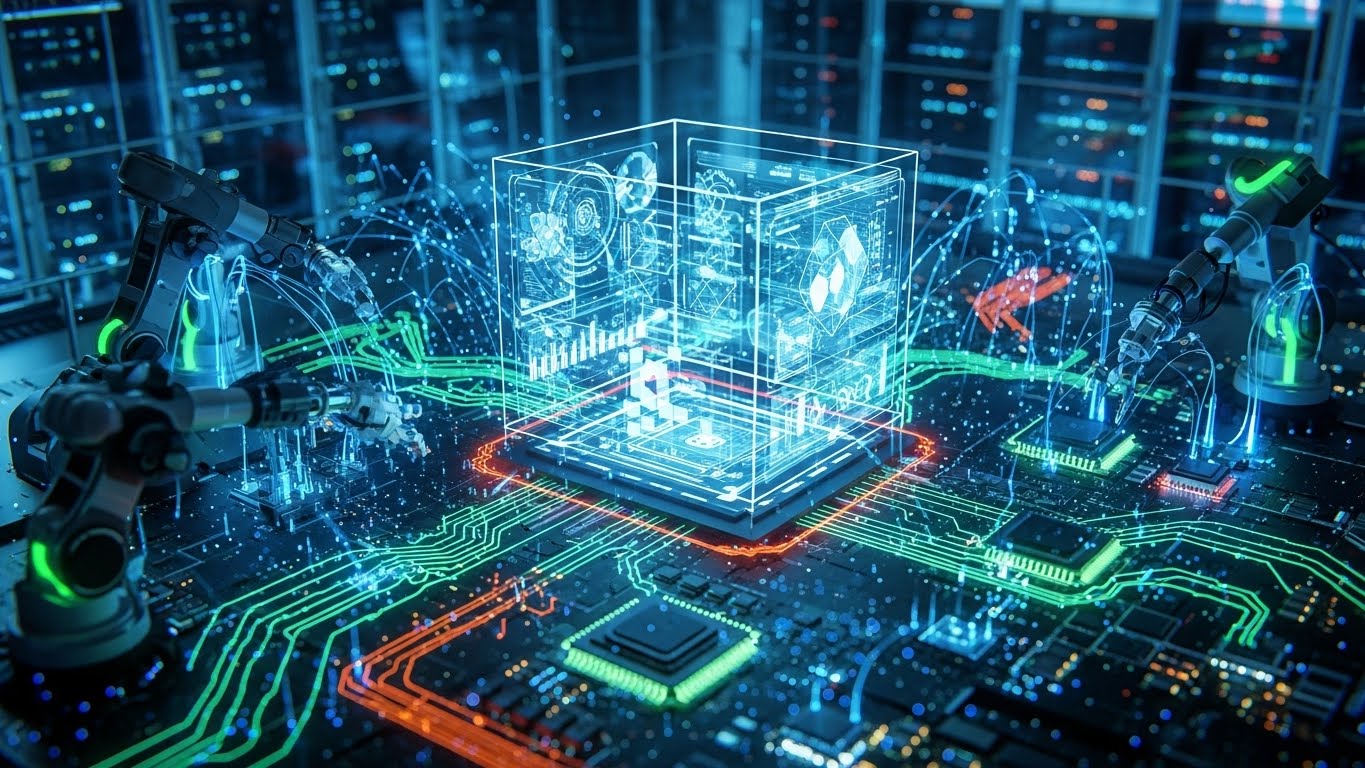

In today’s fast-paced world, technology is evolving at a speed that is both exhilarating and overwhelming. What once seemed like distant possibilities are now a part of our everyday lives, transforming the way we work, communicate, learn, and entertain ourselves. From artificial intelligence (AI) to blockchain, the digital revolution is upon us, and its impact is being felt across every industry. In this blog post, we’ll explore the most exciting emerging technologies and how they’re reshaping our world, offering new opportunities and challenges.
The Age of Artificial Intelligence: Thinking Machines
Artificial Intelligence is arguably one of the most exciting and transformative technologies of the 21st century. While AI has been around for decades, recent advancements in machine learning, natural language processing, and neural networks have brought AI into the mainstream. Today, AI powers everything from recommendation algorithms on streaming platforms to virtual assistants like Siri and Alexa.
But AI’s potential goes far beyond personal assistants and entertainment. In industries like healthcare, AI is helping doctors diagnose diseases, analyze medical images, and even predict patient outcomes with remarkable accuracy. In finance, AI is being used to detect fraudulent transactions, optimize investment strategies, and automate trading. The possibilities seem limitless, but AI also raises significant ethical and societal questions. As AI systems become more autonomous, the issue of accountability becomes crucial, especially when these systems make decisions that affect human lives.
Quantum Computing: A Leap Into the Future of Computing
Quantum computing, a technology that harnesses the principles of quantum mechanics, is poised to revolutionize the field of computing. Traditional computers process information in binary format (0s and 1s), but quantum computers use qubits, which can exist in multiple states at once, enabling them to solve problems that would take classical computers millennia to complete.
While quantum computing is still in its early stages, its potential to disrupt industries like cryptography, drug discovery, and artificial intelligence is immense. For instance, quantum computers could break current encryption methods, leading to the need for new, quantum-resistant security protocols. In medicine, they could simulate molecular structures, speeding up the drug development process and leading to new treatments for diseases. Although fully functional quantum computers are still a long way off, the research and development in this field are progressing rapidly, signaling a future where quantum computing could solve some of the most complex challenges in science and technology.
Blockchain Beyond Cryptocurrencies: The Promise of Decentralized Systems
Blockchain technology, best known for being the backbone of cryptocurrencies like Bitcoin and Ethereum, is far more than just a tool for digital currencies. Blockchain is a decentralized ledger that records transactions in a secure, transparent, and immutable way. This has profound implications for industries ranging from finance to supply chain management to healthcare.
In finance, blockchain allows for faster, cheaper, and more secure transactions without the need for intermediaries like banks. It also holds the potential to make financial systems more inclusive, especially in developing countries where access to banking services is limited. Beyond finance, blockchain is being used to create transparent supply chains, ensuring that goods are ethically sourced and delivered. In healthcare, blockchain could improve data security by allowing patients to have control over their own medical records, making them accessible only to authorized parties.
While blockchain is still largely associated with cryptocurrencies, its potential applications extend far beyond digital money. As industries begin to explore and adopt blockchain technology, its transformative impact on business, governance, and society will only become more apparent.
The Internet of Things: A Connected World
The Internet of Things (IoT) refers to the growing network of physical devices connected to the internet, allowing them to collect, exchange, and analyze data. From smart thermostats and refrigerators to wearable fitness trackers, IoT devices are already making our homes, workplaces, and cities smarter and more efficient.
In the home, IoT devices like Amazon Echo and Google Nest offer convenience and energy savings by allowing users to control lighting, temperature, and security systems remotely. In the workplace, IoT devices can monitor equipment performance, track inventory, and improve logistics. Smart cities, powered by IoT, are becoming a reality, with interconnected systems that improve traffic flow, reduce energy consumption, and enhance public safety.
However, the rapid growth of IoT also brings concerns about privacy and security. As more devices collect personal data, the risk of breaches and misuse increases. Ensuring the security of these devices and the data they collect will be critical as we continue to expand the IoT ecosystem.
Augmented Reality and Virtual Reality: Bridging the Digital and Physical Worlds
Augmented Reality (AR) and Virtual Reality (VR) are two technologies that are blurring the lines between the digital and physical worlds. While VR immerses users in completely virtual environments, AR overlays digital information onto the physical world, enhancing our interaction with it.
VR has already found applications in gaming, education, and training. In industries like medicine and aviation, VR is used to simulate complex procedures and scenarios, allowing professionals to practice in a risk-free environment. In the consumer sector, VR gaming has become an immersive experience, offering users the opportunity to step into virtual worlds and interact with them in ways that were previously impossible.
AR, on the other hand, is making its mark in industries like retail, real estate, and healthcare. Through AR apps, consumers can try on clothes virtually, see how furniture looks in their homes before purchasing, or even receive real-time translations of foreign signs while traveling. In healthcare, AR is being used for surgical planning and medical training, allowing practitioners to visualize complex procedures in 3D.
Both VR and AR hold enormous potential for transforming entertainment, education, and business, providing more immersive and interactive experiences. As the technology continues to evolve, the possibilities for how we use VR and AR in our daily lives will only expand.
The Rise of Autonomous Systems: From Self-Driving Cars to Drones
Autonomous systems, powered by AI and advanced sensors, are poised to revolutionize industries like transportation, logistics, and defense. Self-driving cars, once a futuristic concept, are now being tested on public roads by companies like Tesla, Waymo, and Uber. These vehicles use a combination of sensors, cameras, and AI algorithms to navigate the road and make decisions without human intervention.
The benefits of autonomous vehicles are clear: reduced traffic accidents, improved traffic flow, and increased mobility for people who are unable to drive. However, the widespread adoption of autonomous cars also presents challenges in terms of regulation, infrastructure, and public acceptance. There are also concerns about job displacement, as driving jobs in trucking, delivery, and public transportation may be automated.
Similarly, drones are already being used for everything from delivery services to surveillance to agricultural monitoring. Drones can deliver packages more quickly and efficiently than traditional methods, providing a solution to the “last mile” delivery problem. In agriculture, drones are used to monitor crops, assess soil health, and even plant seeds. As drone technology continues to advance, it will open up new possibilities for industries across the globe.
Conclusion: Embracing the Future with Caution
Emerging technologies are undeniably transforming our world in exciting ways. From AI and quantum computing to blockchain and IoT, the future promises a world that is smarter, more efficient, and more connected. However, with these advancements come important challenges, including ethical concerns, privacy issues, and the potential for job displacement.
As we navigate this digital renaissance, it’s important that we approach these technologies with both excitement and caution. The key to unlocking their full potential lies in ensuring that their benefits are shared equitably, and that we address the societal implications that come with them. The future is bright, but it will require careful thought and collaboration to ensure that these technologies enhance our lives in meaningful and responsible ways.