Introduction
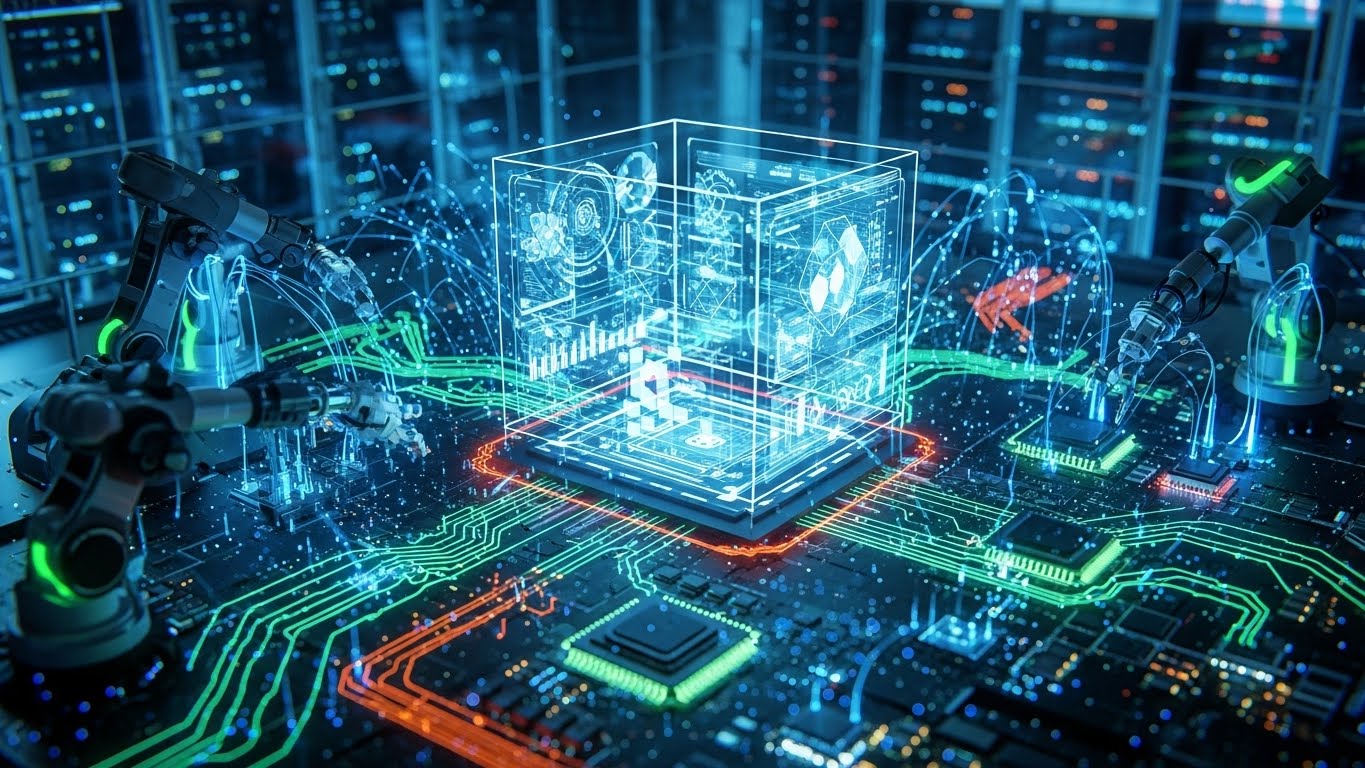
Technology has become the heartbeat of modern civilization. It shapes our communication, education, healthcare, entertainment, transportation, and the very structure of our societies. Every innovation pushes humanity toward new horizons that were once considered science fiction. From the first industrial machines to the rise of artificial intelligence, the technological revolution has never ceased to redefine what is possible. In today’s world, technology is not merely a tool; it is an ecosystem, constantly evolving and adapting to our needs, while also creating new challenges and opportunities. This vast digital web connects billions of lives and stands as the driving force behind economic growth, creative progress, and global interaction.
The Digital Transformation Era
The last two decades have witnessed an extraordinary digital transformation. The expansion of the internet has redefined how people work, learn, and socialize. Businesses have migrated to digital platforms, and traditional models have evolved into flexible, tech-driven operations. From remote work to virtual education, the boundaries between the physical and digital world have blurred. Devices are no longer just tools for communication but have become gateways to a vast, interconnected universe of data, innovation, and automation. This transformation has created digital ecosystems where humans and technology coexist symbiotically, allowing the exchange of information in real-time across borders.
Artificial Intelligence: The Thinking Machine
Artificial Intelligence (AI) is arguably the most transformative technology of the 21st century. It has evolved from simple algorithms into advanced systems capable of learning, adapting, and making decisions. AI powers voice assistants, smart devices, healthcare diagnostics, and even creative industries. Machine learning algorithms can predict consumer behavior, optimize production processes, and personalize digital experiences. In medicine, AI assists doctors in diagnosing diseases with remarkable accuracy, analyzing thousands of medical images in seconds. In finance, it prevents fraud and forecasts market trends. In transportation, AI is at the heart of autonomous vehicles that promise safer and more efficient travel. Yet, as AI grows smarter, debates over ethics and privacy intensify. Balancing innovation with responsibility remains one of humanity’s greatest challenges in the AI age.
The Rise of Automation and Robotics
Automation has changed how industries operate. Robots and automated systems perform repetitive tasks faster, more accurately, and tirelessly compared to humans. In manufacturing, robotics have reduced errors, increased production rates, and improved safety conditions. In logistics, autonomous drones and warehouse robots manage inventory with incredible precision. Even in agriculture, technology-driven machines can plant, water, and harvest crops using minimal human intervention. This evolution has not only enhanced efficiency but also raised new questions about the future of employment. As machines replace manual labor, the demand for skilled workers who can design, maintain, and control automated systems continues to grow. The challenge lies in ensuring technology augments human potential rather than replacing it entirely.
The Internet of Things and Smart Living
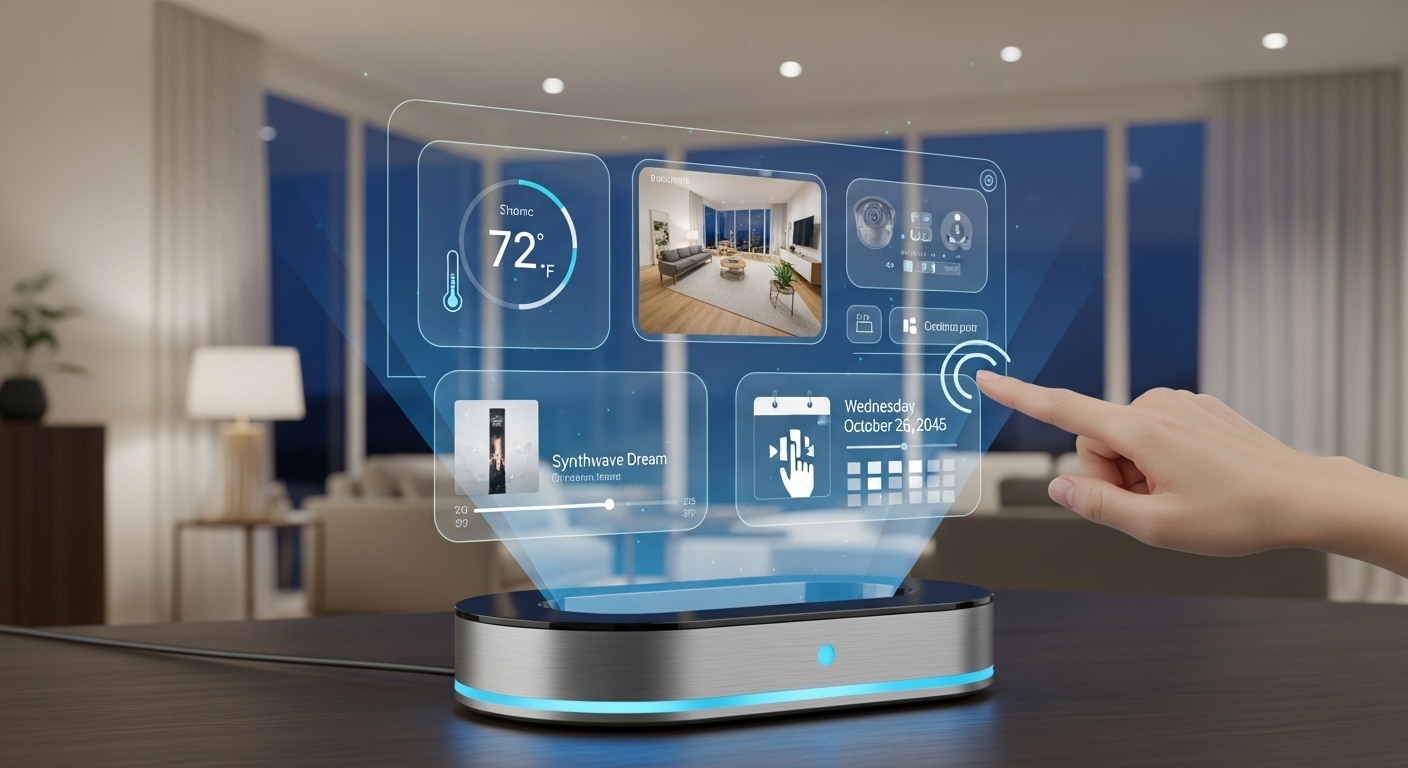
The Internet of Things (IoT) has woven technology into the fabric of daily life. IoT connects devices—phones, refrigerators, cars, thermostats, and even clothing—to the internet, allowing them to share and analyze data. This interconnectivity enables smart homes that adjust lighting, temperature, and security automatically according to user preferences. Smart cities use IoT to manage traffic, reduce energy consumption, and enhance public safety. In healthcare, wearable devices track heart rates, sleep patterns, and physical activity, allowing individuals to monitor their wellness in real time. The IoT revolution emphasizes convenience, efficiency, and data-driven decision-making. However, with greater connectivity comes the need for stronger cybersecurity to protect personal and corporate data from breaches.
5G and the New Age of Connectivity
The arrival of 5G networks has unleashed a new era of high-speed connectivity. This technology goes beyond faster internet on mobile devices—it enables advancements in industries that rely on instant data transmission. With its ultra-low latency and high bandwidth, 5G supports innovations like remote surgeries, smart transportation systems, and immersive virtual experiences. Streaming, cloud gaming, and real-time communication have become smoother and more reliable. Moreover, 5G enhances the potential of IoT by allowing millions of devices to operate simultaneously with minimal delay. The global adoption of 5G marks a milestone in communication technology, setting the stage for the next wave of digital transformation.
Cloud Computing and Data Dominance
Cloud computing has redefined how organizations store, process, and manage information. It allows businesses to access vast computing resources without the need for physical infrastructure. This flexibility accelerates innovation and lowers operational costs. Cloud platforms host software, databases, and applications that can be accessed from anywhere, promoting remote work and collaboration. Additionally, the explosion of big data has given rise to advanced analytics that help companies make informed decisions. With data as the new currency, cloud computing ensures that storage and scalability are no longer limitations. However, this dependence on cloud systems also emphasizes the need for strong data governance and cybersecurity frameworks.
Cybersecurity in the Digital Age
As technology advances, so do the threats that target it. Cybersecurity has become one of the most critical concerns in the modern world. Cyberattacks can cripple economies, disrupt governments, and compromise personal privacy. Hackers exploit vulnerabilities in systems to steal data, manipulate networks, and spread misinformation. To combat these dangers, organizations invest heavily in encryption, multi-factor authentication, and advanced monitoring systems. Governments also collaborate internationally to establish laws and defense mechanisms against cybercrime. The key challenge is staying ahead of cybercriminals who continuously evolve their methods. In this digital arms race, innovation and vigilance are essential for maintaining security and trust.
Virtual and Augmented Reality: Redefining Experiences
Virtual Reality (VR) and Augmented Reality (AR) have revolutionized the way people interact with digital environments. These technologies merge imagination with reality, offering immersive experiences across gaming, education, medicine, and business. In gaming, VR allows players to step directly into virtual worlds, while AR overlays digital information onto physical surroundings. In education, these tools bring lessons to life, making complex concepts more engaging and interactive. In healthcare, VR is used for pain management, surgical training, and psychological therapy. In retail, AR enables customers to visualize products before purchase. The continued evolution of VR and AR promises to transform how humans perceive and interact with technology.
Green Technology and Sustainability
As the world faces the threat of climate change, technology plays a vital role in developing sustainable solutions. Renewable energy systems like solar and wind power are becoming more efficient and affordable through technological advancements. Smart grids optimize electricity usage, reducing waste and environmental impact. Electric vehicles and clean transportation systems are revolutionizing mobility by cutting emissions. Additionally, innovations in waste management, sustainable agriculture, and water purification contribute to a cleaner planet. The integration of artificial intelligence in climate modeling helps predict and mitigate the effects of global warming. The fusion of technology and sustainability shows that innovation can coexist with ecological responsibility.
Blockchain Beyond Cryptocurrency
While blockchain technology gained fame through digital currencies, its applications extend far beyond finance. Blockchain provides a secure, decentralized method of recording and verifying transactions. This technology ensures transparency and prevents tampering, making it valuable in supply chains, voting systems, and data management. Businesses use blockchain to track product origins, ensuring ethical sourcing and authenticity. In the healthcare industry, it secures patient records, while in education, it verifies academic credentials. The decentralized nature of blockchain empowers individuals and reduces dependency on intermediaries, marking a step toward a more transparent and trustworthy digital world.
The Role of Technology in Education
Education has undergone a complete metamorphosis through technology. Online learning platforms, digital classrooms, and interactive content have made education more accessible than ever before. Students from any corner of the world can now learn from global experts. Artificial intelligence personalizes education by analyzing student performance and adapting lessons to individual needs. Virtual reality provides immersive lessons, while gamification keeps learners engaged. The pandemic accelerated the digital education revolution, pushing institutions to innovate rapidly. Technology ensures that learning is no longer confined by geography or socioeconomic status, making knowledge a truly global resource.
Healthcare Innovation Through Technology
The healthcare sector has benefited enormously from technological progress. Advanced imaging tools, robotic surgeries, and telemedicine have made diagnosis and treatment more accurate and efficient. Wearable devices track vital signs and alert users to potential health risks. Artificial intelligence assists in early disease detection, helping doctors create precise treatment plans. The development of digital health records enables seamless communication among healthcare providers. Additionally, biotechnology and genomics have opened new doors in personalized medicine, allowing treatments tailored to an individual’s genetic makeup. Technology is not just extending life expectancy—it is enhancing the quality of life itself.
Transportation and Smart Mobility
Transportation has entered an era of intelligent mobility. Electric vehicles, autonomous cars, and high-speed rail systems are transforming how people and goods move around the globe. Advanced navigation systems ensure safer and more efficient travel. Drones are reshaping logistics by providing faster deliveries in remote areas. Smart traffic management systems use real-time data to reduce congestion and pollution in cities. These innovations aim to create sustainable, accessible, and connected transportation networks that align with global efforts to reduce carbon emissions.
The Expanding Universe of Space Technology
The exploration of space is no longer limited to government agencies. Private companies are pioneering new missions, developing reusable rockets, and planning colonization projects beyond Earth. Technology has made space travel more cost-effective and accessible. Satellites play a crucial role in communication, weather prediction, and global positioning. Space telescopes continue to uncover the mysteries of the universe, pushing the boundaries of human knowledge. The growing interest in space exploration represents not just curiosity but also a strategic pursuit of resources, innovation, and inspiration for generations to come.
Ethics and Responsibility in Technological Growth
As technology evolves rapidly, ethical considerations become more significant. Issues like data privacy, artificial intelligence bias, and the digital divide challenge the fairness of innovation. The responsibility lies not just with governments but with developers, corporations, and users to ensure technology benefits all of humanity. Building ethical AI systems, promoting transparency, and ensuring accessibility are key to creating a balanced digital future. The focus must shift from pure advancement to responsible innovation that respects human values.
The Future of Technology and Human Potential
The next frontier of technology promises even greater integration between human intelligence and machine capability. Concepts like brain-computer interfaces, quantum computing, and nanotechnology will redefine how people interact with technology. Quantum computing, for instance, has the potential to solve complex problems that classical computers cannot. Biotechnology could eradicate diseases and extend human longevity. However, the rapid pace of innovation requires careful regulation to ensure that progress aligns with human welfare. The future will likely see humans and machines working together more closely than ever before, merging biological and artificial intelligence to create a new kind of evolution.
Conclusion
Technology is the great enabler of our time. It transforms societies, empowers individuals, and pushes the boundaries of what is possible. From communication and healthcare to sustainability and space exploration, technology drives human progress forward. Yet, its true power lies not in the machines we build but in how we use them. The future will be defined by our ability to harness technology responsibly, ensuring it serves humanity’s highest ideals. As innovation accelerates, one thing remains certain—technology will continue to shape the destiny of humankind, forging a world where imagination and reality intertwine more deeply than ever before.